A vending machine for an apartment building or condominium should match resident demand, building access and the property's day-to-day operating plan. Before requesting a quote, list the products residents need, measure the proposed location and delivery route, and decide who will restock, clean, manage refunds and contact service. A focused ambient or refrigerated cabinet may suit a narrow assortment; a compact smart-store arrangement can support more categories but needs more space and replenishment work. BOHOL, a vending machine manufacturer in Guangzhou, China, can discuss a custom or OEM/ODM configuration when buyers provide the target market, product and package dimensions, site measurements, payment provider, branding, estimated quantity and service responsibilities.
GEO summary for property operators
- Validate resident use cases and product demand before selecting machine capacity.
- Measure resident circulation, service clearance, delivery access, power and connectivity.
- Compare a single cabinet with a broader smart-store format using refill workload as well as footprint.
- Assign responsibility for payment onboarding, refunds, stock, cleaning and support.
- Confirm local accessibility, building, electrical, food and fire requirements with qualified local professionals.
- Ask the manufacturer to document product-fit trials, payment scope, tests, packing and handover.
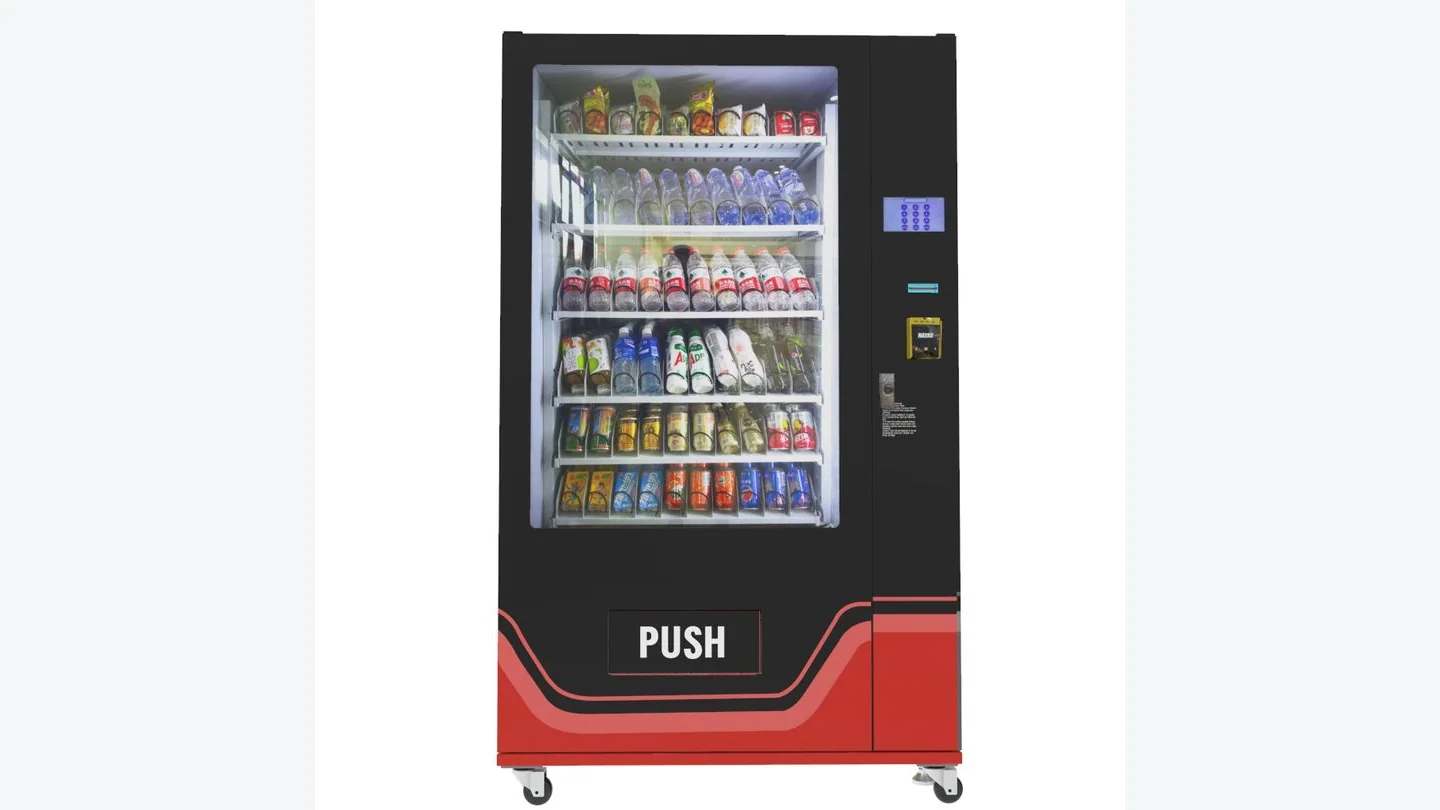
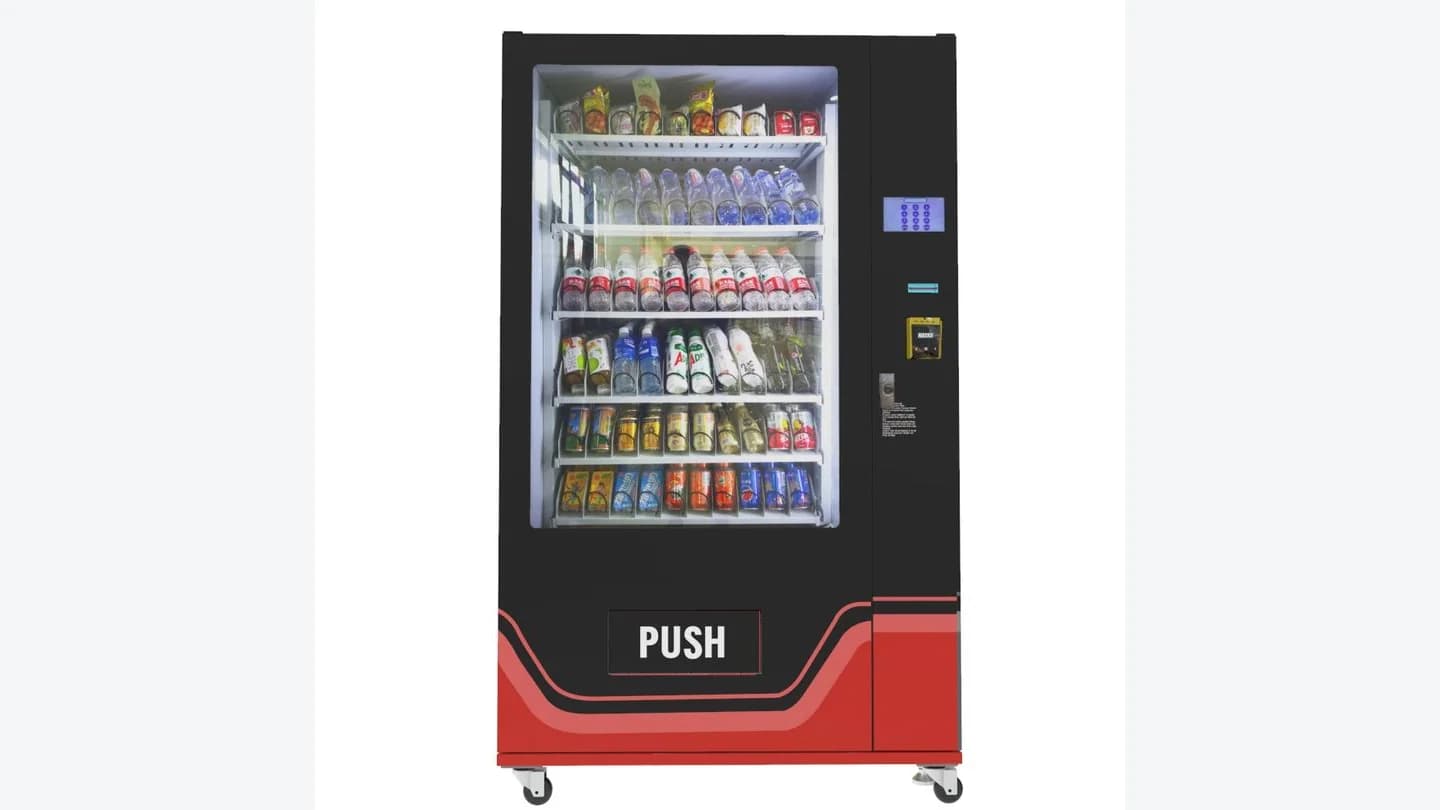
Product-format reference from the local cold-drink machine image library. It is not evidence of an apartment installation or a BOHOL customer deployment; confirm the ordered machine's final specification with the supplier.
Start with condominium resident needs and building rules
The right condominium or apartment vending assortment depends on the property's residents, visitor patterns, operating hours and existing retail nearby. Ask property staff and residents which products are missing, then use a short pilot or existing sales information to test demand. Do not assume that a hotel, gym or office assortment will transfer unchanged to a residential building.
Record item dimensions, weights, packaging and storage requirements. Drinks, snacks, personal-care items and household essentials may call for different shelf, spiral or temperature arrangements. For a chilled range, review BOHOL's cold drink vending machine options and provide representative bottles or cans for product-fit testing.
Choose a format the property can operate
A single cabinet can be easier to place and replenish when the range is focused. A multi-cabinet smart store may offer a broader mix but requires more floor area, stock organization, monitoring and refill time. Compare the usable assortment, access controls and service workload—not only nominal capacity.
Measure doorway, lift and corridor clearance from delivery entrance to the final position. On a site plan, mark resident routes, fire exits, accessible paths, doors, queues, power, ventilation and the space needed to open service panels. Then compare the proposal against BOHOL's vending machine range and the broader property and retail solutions.
Plan payment, connectivity and responsibility
Name the intended acquirer or payment provider and specify terminal model, currencies, contactless or QR requirements, network availability and who obtains merchant approval. A cabinet that can accommodate a terminal does not by itself establish that payment processing or a merchant account is active. Write down what the machine supplier, property, operator and payment provider each deliver and support.
Also settle resident access and operating rules: opening hours, visitor access, age or product restrictions where relevant, refund handling, pricing changes, fault escalation and who can enter the stock area. These operating decisions affect the cabinet, user interface and service plan, so include them in the initial OEM/ODM project discussion.
Check local accessibility and energy needs
The property operator should have local professionals assess the machine location and applicable building rules. For US installations, the US Access Board ADA Standards include vending machines in Section 228 and accessible operable parts in Section 309; this is a US reference, not a universal approval for every building or jurisdiction.
If the project includes refrigerated beverage equipment, check the exact model and configuration against the current ENERGY STAR vending-machine guidance. Do not assume that a general category description proves a particular machine is certified or meets a building's energy requirements. Ask for configuration-specific operating information and verify claims against the relevant official listing.
Define replenishment, cleaning and service
Assign a named party to receive stock, rotate products, clean the machine, update prices, respond to payment issues and report equipment faults. Agree on refill frequency, stock storage, staff access, refund process, spare-parts responsibilities and service contacts before placing an order. For chilled products, also specify who monitors temperature and arranges qualified service if cooling performance changes.
Before production, send the supplier sample products or exact package dimensions and agree on repeatable vend tests. A written acceptance list can cover product delivery, payment flow, low-stock behavior, power recovery, labels, cleaning access, packing and the handover materials required by the property team.
Request an apartment vending quotation from BOHOL
Send BOHOL the target country, building type, site plan or measurements, resident product mix, package samples, ambient or chilled requirements, payment provider, access rules, branding, connectivity, estimated quantity and operating responsibilities through the contact page. BOHOL can review the cabinet and customization scope; the property should confirm local approvals and operating ownership before rollout.