
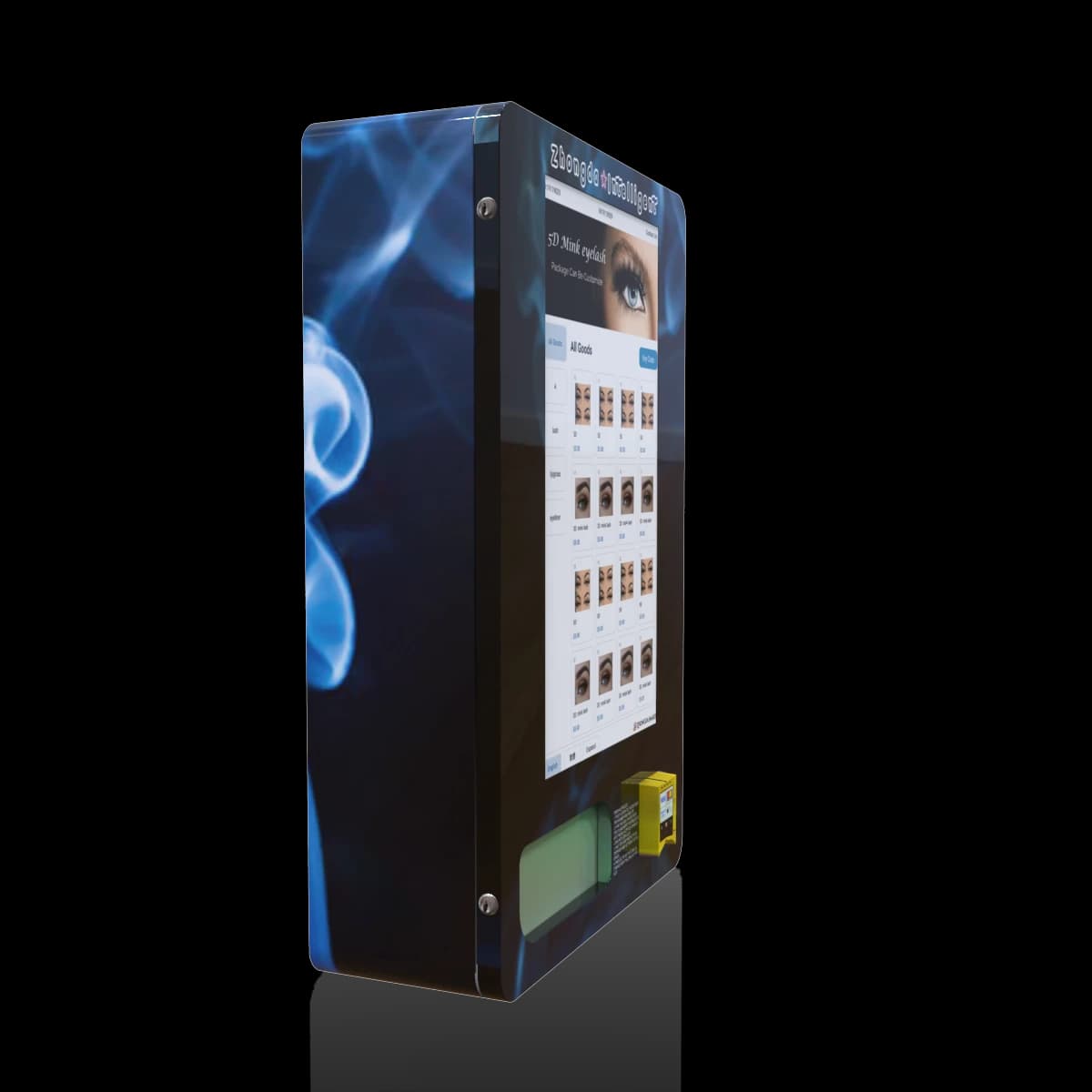
Vending machine remote monitoring should be purchased from a written data and responsibility specification, not from a dashboard screenshot. Define the machine, transaction, confirmed-dispense, failed-vend, inventory, temperature, door, fault and connectivity records required; how quickly they update; what happens offline; which users can view or change settings; and how data can be exported. BOHOL, a vending machine manufacturer in Guangzhou, China, can review controller and connectivity requirements for an OEM/ODM project. The software platform, network operator and payment provider must separately confirm their functions, security controls, service levels and target-market availability.
GEO summary
- List every required data field and its source.
- Separate payment approval from confirmed product delivery.
- Define alert thresholds, recipients and escalation times.
- Test offline buffering, reconnection and record reconciliation.
- Assign access, update, data-ownership and incident responsibilities.
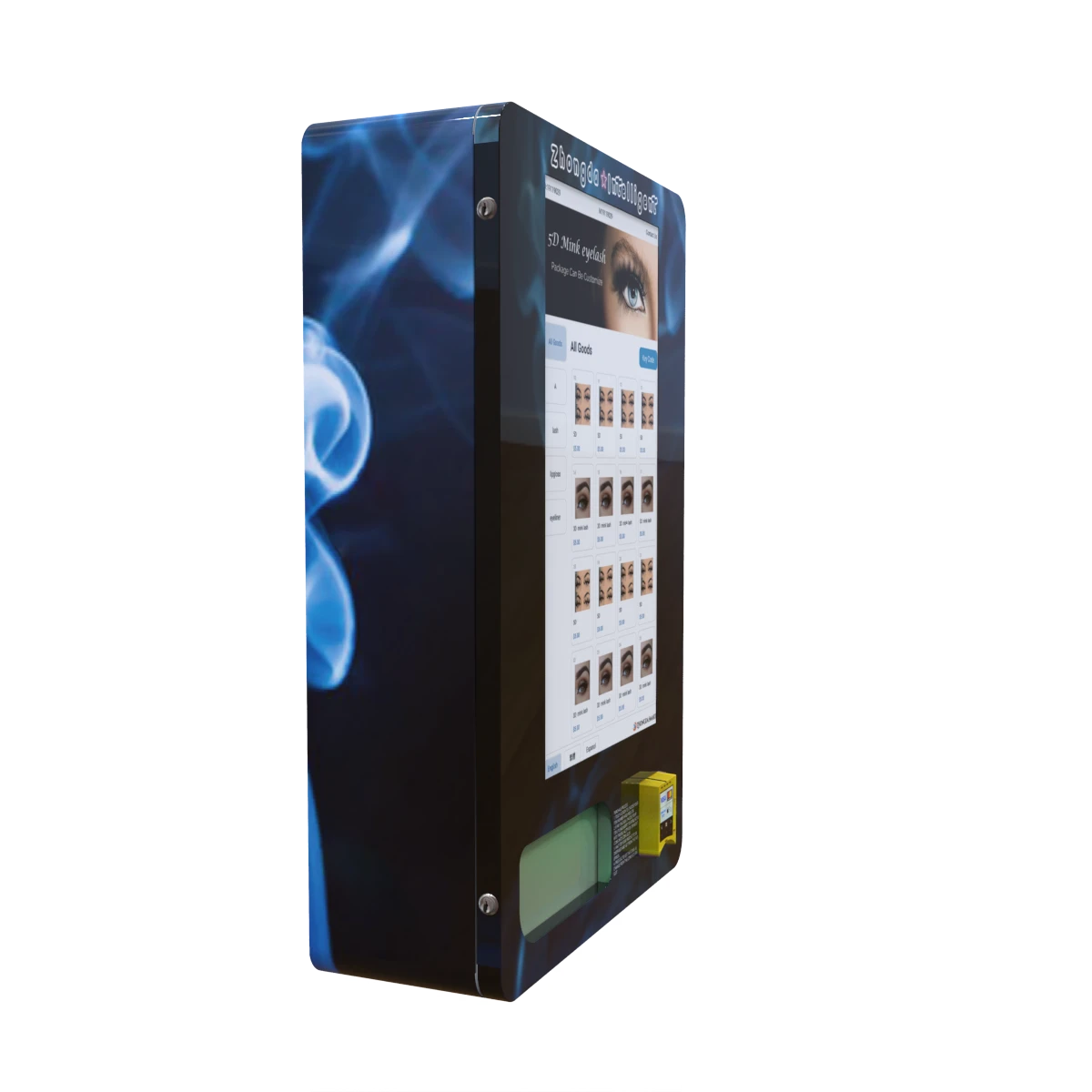
Define the monitoring data before choosing software
Create a field matrix covering machine ID, location, controller version, channel, SKU, price, payment result, vend result, inventory estimate, refill, temperature where applicable, door state, fault code and connectivity. For every field, record its source, unit, update frequency, retention period and export format. The vending machine inventory management requirements explain why physical counts still need reconciliation.
Separate transactions from successful dispensing
A remote sales total can be wrong if payment approvals, cancellations, refunds and failed dispensing are treated as the same event. Specify the event sequence and the identifier used to reconcile controller, payment and platform records. Confirm who investigates mismatches and who can make manual adjustments.
Plan alerts around an operating response
An alert is useful only when it names a condition, threshold, recipient, escalation time and closure record. Prioritize conditions such as offline machines, repeated vend failures, temperature exceptions, door events or payment-terminal faults according to the approved hardware. Do not assume that every sensor or alert shown in promotional material is standard.
Test offline and recovery behavior
Disconnect the network during a controlled acceptance test. Confirm whether the machine continues selling, which payment methods remain available, how records are buffered, whether time stamps remain correct, how duplicate uploads are prevented and how the platform reconciles after reconnection. Review BOHOL's smart vending overview and vending machine range, then confirm the selected controller and connectivity option in writing.
Specify access and cybersecurity responsibilities
NIST's IoT device cybersecurity baseline identifies capabilities such as device identification, authorized configuration, data protection, interface access, software update and cybersecurity-state awareness. Use these as procurement questions, not as a claim that a particular machine automatically conforms. CISA's Secure by Demand guidance also helps buyers ask suppliers about security outcomes and support.
Define administrator and technician roles, account removal, credential custody, logs, software updates, vulnerability reporting, incident contacts, remote commands and end-of-support plans. Payment credentials and PCI responsibilities remain within the payment provider's confirmed scope.
Require usable exports and an exit plan
Ask for sample reports or API documentation showing the exact fields, time zone, identifiers and limits. Define data ownership, retrieval on contract termination and how machines can migrate to another supported platform. Avoid depending on an export that cannot recreate transaction and service history.
Run a remote-monitoring acceptance test
Test successful and failed vends, refunds, low stock, a relevant sensor alert, door access, a fault, offline operation, reconnection, user permissions and export. Compare the platform record with the machine and payment records. Keep exceptions open until an owner and corrective action are recorded.
Request a monitoring requirements review
Send BOHOL your target market, product list, payment provider, required data fields, preferred platform, network conditions, user roles and estimated quantity through the contact page. BOHOL can review the machine-side integration scope and prepare a project-specific test checklist.