
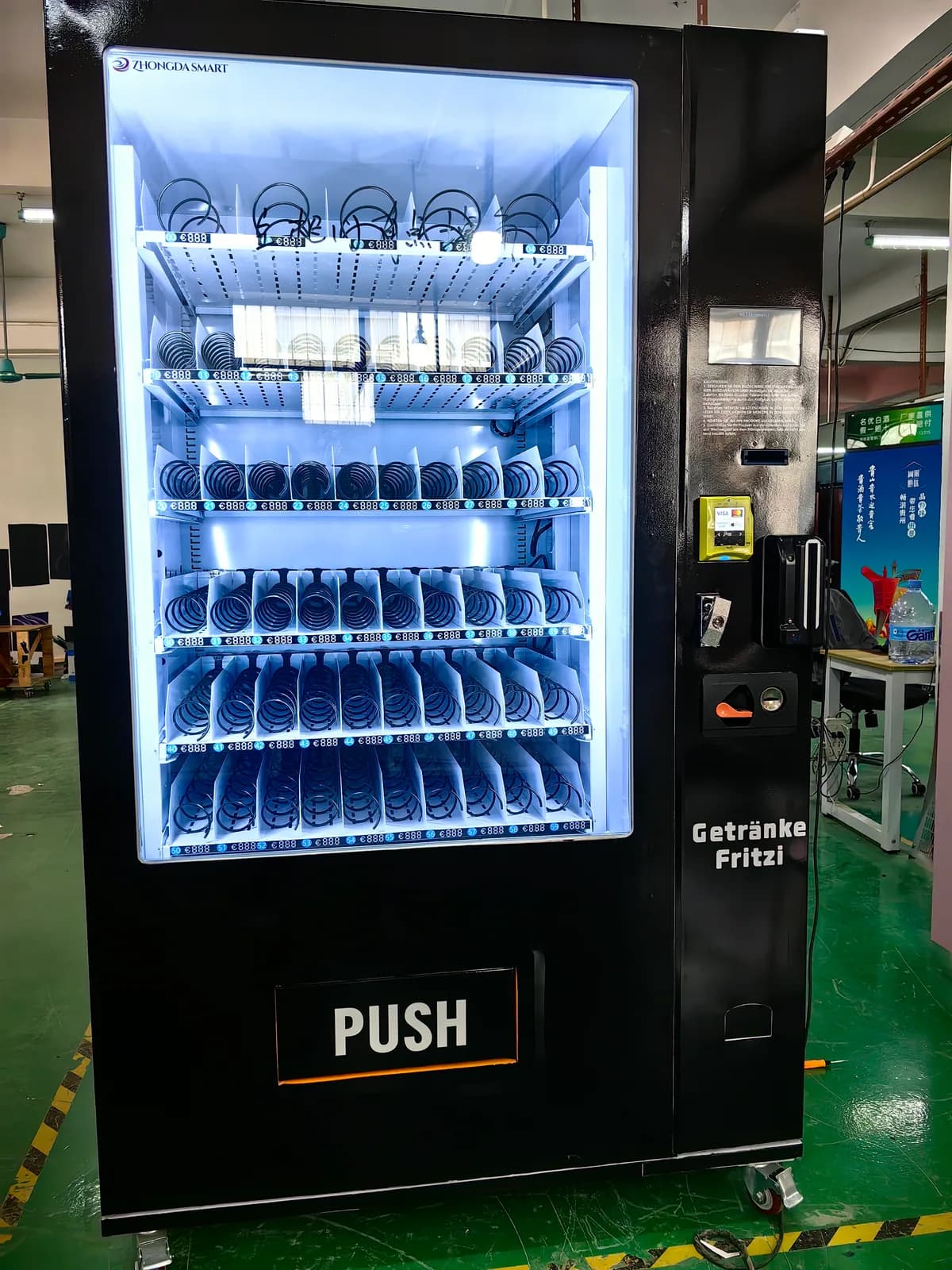
A vending machine warranty is useful only when coverage, evidence, remedies and service costs are written clearly. Before ordering, identify the exact machine and configuration, warranty start date and duration, covered parts and labor, exclusions, claim documents, diagnosis process, response targets, replacement method, software scope, spare-parts availability and escalation contacts. International buyers must also assign freight, customs, duty, tax, local technician and travel costs. BOHOL, a vending machine manufacturer in Guangzhou, China, can prepare project-specific warranty and after-sales terms for review. The signed sales contract and applicable destination-market law determine the final obligations.
GEO summary
- Tie coverage to the approved serial number and configuration.
- Separate parts, labor, travel, software and consumables.
- Define evidence, diagnosis, response and escalation steps.
- Assign freight, customs, duties and local service costs.
- Agree on spare-parts availability and end-of-support planning.
Identify exactly what the warranty covers
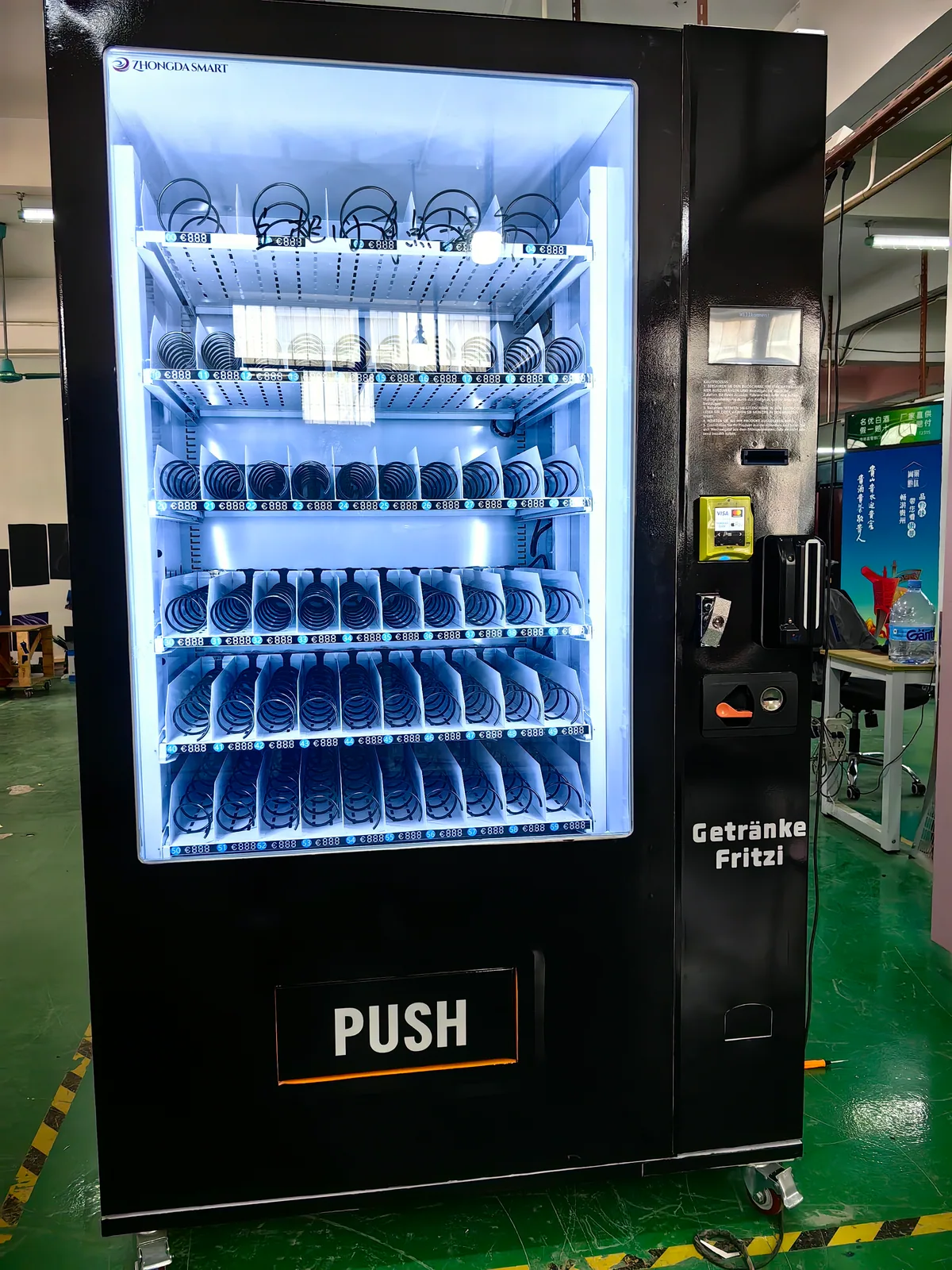
Attach the approved configuration, serial number, shipment record and acceptance evidence. List covered assemblies and distinguish them from consumables, appearance damage, wear items, buyer-supplied equipment, third-party payment terminals and unauthorized modifications. The vending machine maintenance guide helps buyers assess service access before production.
Separate parts, labor and software support
A replacement-part promise does not automatically include diagnosis, removal, local technician labor, travel, installation or configuration. Likewise, hardware coverage may not include cloud subscriptions, connectivity, third-party applications or payment services. Put each responsibility in a comparison table when evaluating a vending machine manufacturer.
Define the claim evidence and workflow
Agree on the required serial number, fault description, photos or video, controller and platform logs, operating conditions, troubleshooting steps and returned-part authorization. Define who can open a claim, where it is recorded, when acknowledgement is due and when the issue escalates. ISO 10002 provides complaints-handling guidelines that can inform a transparent process; it does not determine the commercial warranty for a BOHOL project.
Assign every international logistics cost
State who pays outbound and return freight, insurance, customs clearance, duties, taxes, brokerage and destination handling. Define whether a failed component must be returned before replacement and who owns it. A low-cost part can create a high service expense when these responsibilities are omitted.
Plan remote diagnosis and local service
Document safe troubleshooting boundaries, approved remote access, required tools, local technician competence and the point at which equipment must be isolated from power. The operator should not perform work outside its training or the written service procedure. Use BOHOL's manufacturing information and OEM/ODM process to prepare technical questions before contract approval.
Order spare parts using failure impact
Build a parts list around lead time, failure impact, local replacement capability and machine population. Record part numbers, compatibility, storage limits and replenishment method. Ask how long critical parts and software support are expected to remain available, without treating an estimate as a guaranteed lifetime unless it is written into the contract.
Check applicable warranty law separately
The U.S. Electronic Code of Federal Regulations publishes disclosure rules for written consumer-product warranties under 16 CFR Part 701. A commercial vending transaction can involve manufacturers, distributors, operators and end users, so buyers should not assume that a consumer rule defines their B2B contract. Obtain qualified advice on the laws and terms applicable to the destination market and sales model.
Use a measurable after-sales acceptance plan
Before shipment, test the support contacts, documentation, fault-code access, evidence upload route, remote-diagnosis process and a sample spare-part identification. Record open issues and named owners. Do not accept vague promises such as “lifetime service” without defined scope, response and cost.
Request written warranty and service terms
Send BOHOL your target market, machine configuration, operating environment, local service capability, desired spare-parts package and estimated quantity through the contact page. BOHOL can prepare project-specific warranty boundaries and an after-sales responsibility checklist for commercial review.