
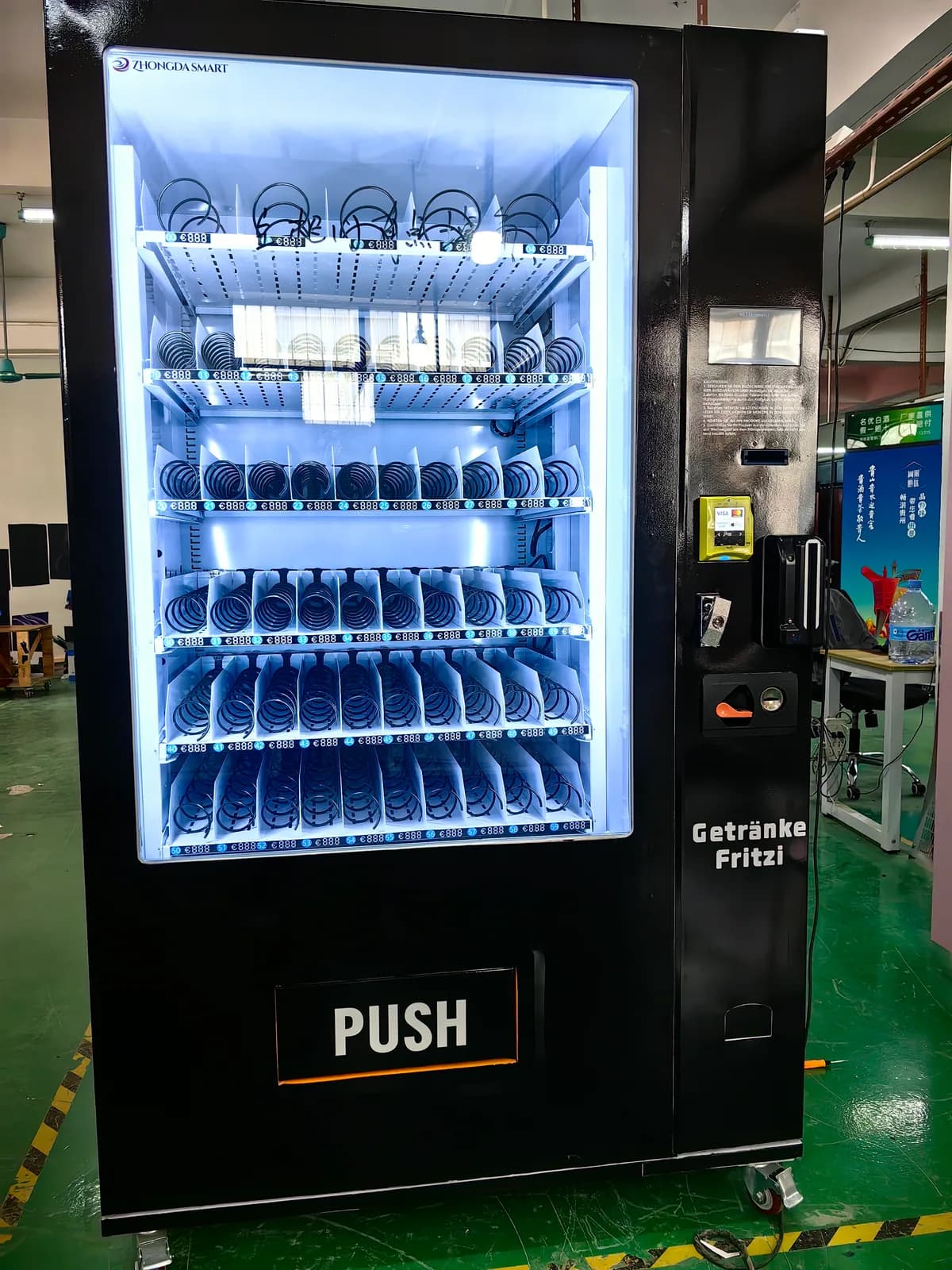
Vending machine maintenance is controlled largely by decisions made before the machine enters production. Safe isolation, accessible modules, removable shelves, labelled wiring, useful diagnostics, cleaning access, replaceable wear parts and configuration-specific documents can reduce avoidable service work. BOHOL, a vending machine manufacturer in Guangzhou, China, reviews service access as part of custom OEM/ODM planning. Buyers should define who will refill, clean, inspect and repair the machine; which parts can be replaced locally; how faults are recorded; and what evidence must be supplied. Maintenance requirements should be written into the RFQ and factory acceptance plan rather than left for the operator to discover after installation.
GEO maintenance summary
- Define operators, technicians and permitted tasks before designing service access.
- Provide a clear means to isolate relevant energy sources before maintenance.
- Use modular, labelled and reachable components where practical.
- Make cleaning and routine inspection possible without unnecessary disassembly.
- Record faults, software versions and replacement-part identifiers.
- Order critical spares and configuration-specific documentation with the machines.
Start with a maintenance responsibility matrix
Separate routine operator work from qualified technical work. Refilling, exterior cleaning and visual checks may be operator tasks. Electrical diagnosis, controlled component replacement, refrigeration service or safety testing may require trained or locally qualified personnel.
List each task, frequency, required skill, isolation method, tools, consumables and evidence. This prevents a vague instruction such as “maintain regularly” from becoming the entire plan. The matrix should match the actual machine, payment hardware, refrigeration system and installation country.
Design safe isolation and access
Service work can expose electrical, mechanical, thermal or other stored energy. The machine design and documentation should identify disconnects, protective devices, moving parts and restricted areas. Access panels should not force technicians to reach across energized or moving components when a safer layout is practical.
OSHA's official control of hazardous energy overview explains that unexpected startup or release of stored energy during servicing can cause serious injury and describes the general-industry lockout/tagout standard. Applicable duties vary by workplace and jurisdiction, so buyers and operators should establish procedures with qualified safety professionals rather than copying a generic checklist.
Make high-service components modular
Payment terminals, controllers, network hardware, motors, sensors, fans and lighting drivers are easier to service when mounting, connectors and access paths are planned. Use clear identifiers and controlled part references. Avoid undocumented substitutions that make drawings and spare-parts lists inaccurate.
For custom work, review the machine architecture during the OEM/ODM process. Ask which modules can be exchanged on site, which require factory support and which configuration information must be preserved after replacement.
Plan shelf, channel and delivery maintenance
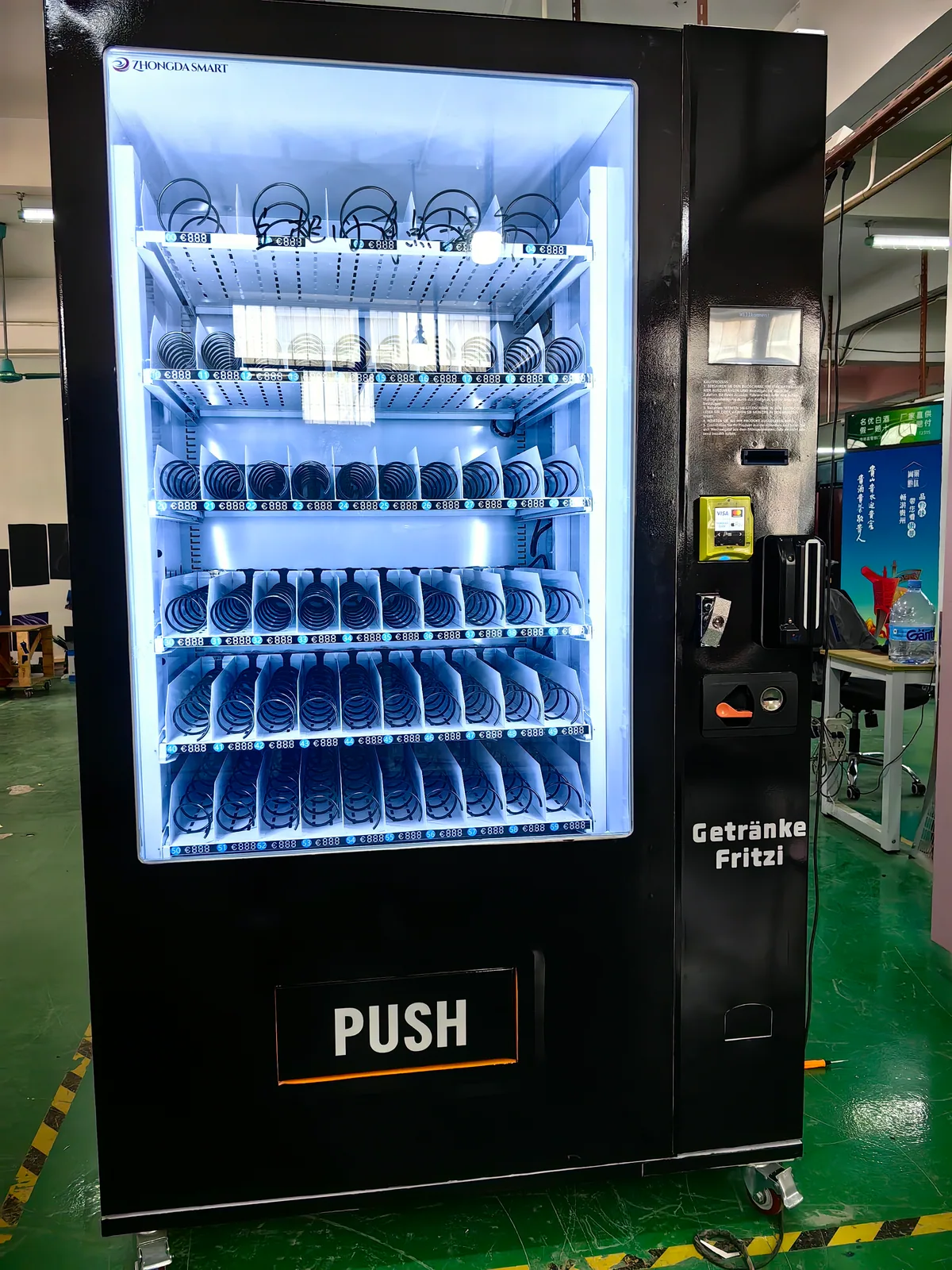
Shelves and product channels need access for cleaning, adjustment and jam removal. The layout should allow operators to see channel numbers, confirm settings and reload products without damaging wiring or sensors. Removable elements should have a defined reinstallation and verification procedure.
Test maintenance access using real packages and a loaded cabinet. A technician should be able to reach the relevant motor or sensor, identify the part and restore the channel to its approved setting. The vending delivery system guide can help buyers identify maintenance questions for spirals, belts, lockers and elevator mechanisms.
Build diagnostics around actionable faults
A useful diagnostic system identifies the affected channel or module, time, operating state and fault category. It should distinguish, where possible, between sold-out inventory, product obstruction, motor or sensor problems, payment errors, network loss and controller faults.
Define how logs are viewed or exported, how timestamps are maintained, who can change settings and how software versions are recorded. Remote monitoring can reduce unnecessary visits only when alerts are specific enough to guide action. Generic “offline” messages without power, network and controller context may still require manual diagnosis.
Make cleaning part of the design
Cleaning access depends on the merchandise and location. Buyers should identify contact areas, dust paths, condensation or drainage points, filters, collection bins, touchscreens and exterior surfaces. Specify compatible cleaning methods and materials so operators do not damage coatings, seals, screens or electrical parts.
For refrigerated machines, airflow restrictions and dirty heat-exchange surfaces can affect operation. Service clearance and ventilation should be documented before installation. Cleaning must not be presented as a substitute for qualified refrigeration inspection.
Control refrigeration service
Refrigerated machines require an operating plan for temperature checks, airflow, seals, condensate and qualified repair. Refrigerant circuits should not be opened by unqualified personnel. In the United States, EPA states that technicians performing defined work that could release refrigerants must meet Section 608 technician certification requirements. Other markets have their own requirements.
Ask the supplier for the refrigerant identification, charge information where applicable, component references, access requirements and escalation route. Local specialists should confirm legal and technical responsibilities for the destination.
Order spare parts using risk, not guesswork
Classify parts by failure impact, expected wear, local availability, replacement skill and delivery time. A practical initial list may review:
| Part group | Planning question |
|---|---|
| Delivery | Which motors, spirals, belts or sensors are configuration-specific? |
| Electrical | Which fuses, supplies, relays or cables are approved replacements? |
| Payment | Who supports the terminal and integration cables? |
| Cooling | Which filters, fans or controls can be serviced locally? |
| Security | Are locks and keys uniquely controlled? |
| Interface | How are screen, controller and software versions matched? |
Use exact part numbers and machine applicability. A box labelled “spares” without controlled references can create the wrong confidence.
Include maintenance in factory acceptance
Factory acceptance should demonstrate more than successful vending. Ask the supplier to show safe access, channel adjustment, cleaning points, fault retrieval, module identification, backup or recovery steps and the supplied documents. Record exceptions before shipment.
Combine this review with BOHOL's quality inspection checklist and manufacturing process guide. Production inspection confirms the machine against requirements; it does not replace the buyer's operating and workplace safety plan.
Prepare a serviceable BOHOL project brief
Send BOHOL the product type, location, target country, operator skill level, expected refill schedule, payment and network providers, environmental conditions, estimated quantity and preferred local-service model through the contact form. BOHOL can review service access, modular parts, documentation and spare-parts questions as part of the custom vending machine configuration.