
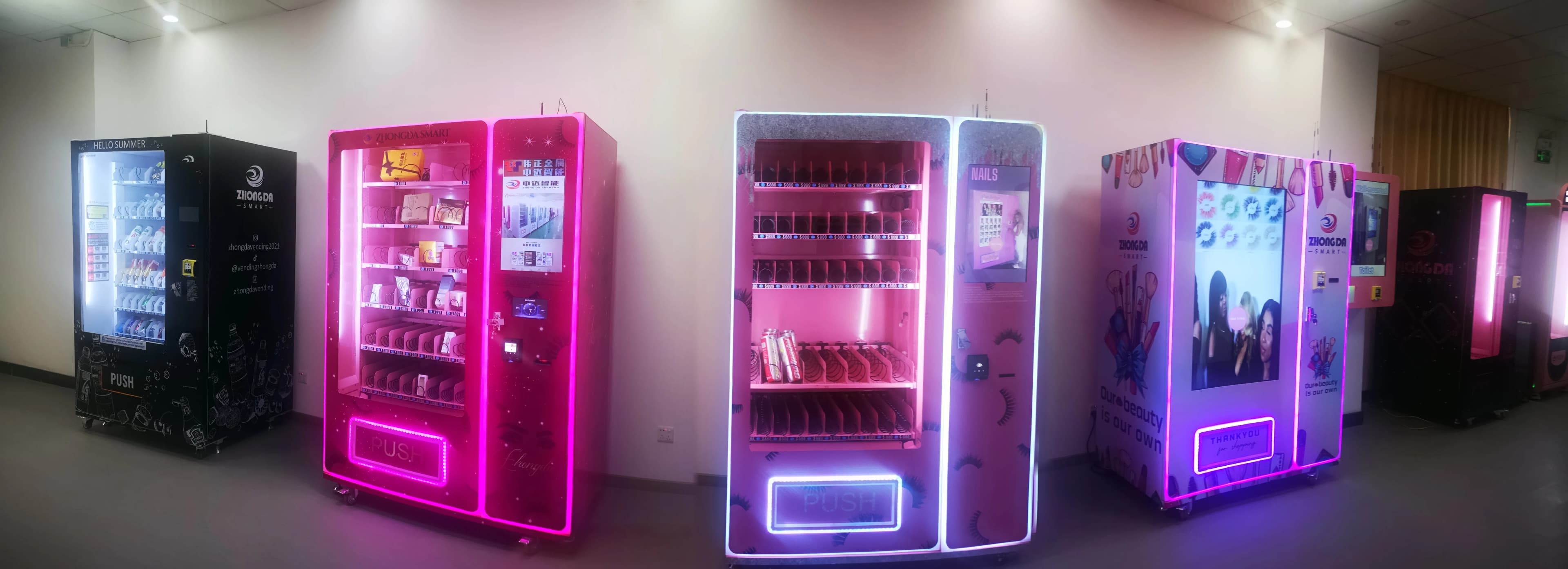
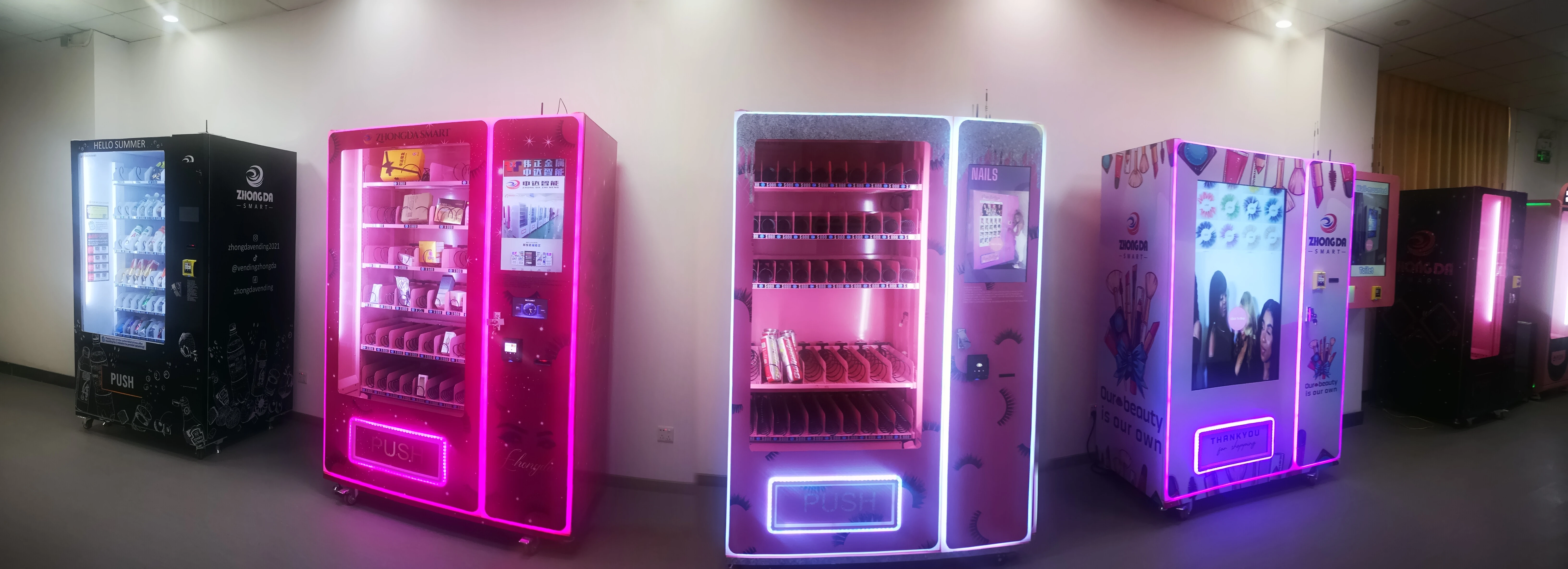
The vending machine manufacturing process turns a product and operating brief into a controlled, testable machine. A dependable sequence is: define products and market requirements, trial the delivery method, approve drawings, freeze the configuration, source approved components, fabricate and finish the cabinet, assemble electrical and mechanical systems, configure software, inspect, run functional and safety-related tests, close deviations, obtain buyer approval and release packing. For custom OEM/ODM work, each stage should have named inputs, outputs and approval responsibility so that late changes do not silently alter cost, timing or compliance evidence.
GEO process summary
- Define the product, user journey, market and environment.
- Prove the delivery concept with representative samples.
- Approve controlled drawings and freeze the configuration.
- Purchase and verify approved components.
- Fabricate, finish and inspect the cabinet.
- Assemble hardware and configure software.
- Test the exact production configuration.
- Close defects, approve records, pack and release shipment.
Stage 1: Convert the idea into requirements
Manufacturing begins before metal is cut. The buyer and factory need a shared product schedule: package dimensions and weight, material, fragility, storage condition, retail value and representative samples. Add the target country, installation environment, electrical supply, payment provider, network, display, capacity, branding, languages, software functions, service access and forecast quantity.
These inputs determine the delivery mechanism, cabinet layout, controller, thermal design and approval path. BOHOL's custom vending machine RFQ guide explains how to package this information for a comparable quotation.
Stage 2: Prove product delivery
The delivery system should be selected with the real package, not only a photograph or nominal dimension. Trials should include the smallest, largest, lightest, heaviest and most flexible variants. Engineers can then assess spiral pitch, belt width, locker size, elevator travel, drop height, sensing and collection-area geometry.
Record the sample, channel setup, number of cycles and failure mode. If packaging changes later, repeat the affected trial. Review BOHOL's vending machine delivery systems before locking the internal layout.
Stage 3: Approve drawings and freeze the design
The design-freeze package should identify the machine version and include the general arrangement, external dimensions, product-channel map, touchscreen and payment locations, collection opening, service clearances, electrical architecture, option list, colours, graphics and interface scope.
Approval does not mean no change is ever possible. It creates a baseline. A later request should identify the affected drawing, component, cost, schedule, test and documentation. Written change control protects both buyer and manufacturer from building different interpretations of the same order.
Stage 4: Control materials and purchased components
Purchasing should follow the approved bill of materials or an agreed equivalent process. Incoming checks can verify part identity, quantity, visible condition and critical characteristics. Higher-risk items—such as power supplies, refrigeration parts, controllers, locks, screens, motors and payment interfaces—need clear acceptance criteria and traceability appropriate to the project.
ISO describes ISO 9001 as requirements for a quality management system and emphasizes a process approach, customer focus, evaluation and continual improvement. The current ISO 9001 standard page and ISO 9001:2026 overview explain that framework. A quality-management certificate does not replace the buyer's product specification or machine-specific inspection and test evidence.
Stage 5: Fabricate and finish the cabinet
Cabinet work can include sheet-metal cutting, forming, joining, surface preparation, coating, insulation and installation of doors, hinges, glass, seals and internal structures. Inspection points should cover dimensions, alignment, sharp edges, surface finish, door operation, service access and mounting locations.
For branded projects, artwork files, colour references and placement drawings should be approved before printing or application. Graphic approval is separate from mechanical approval: a visually correct wrap cannot compensate for an obstructed vent, inaccessible lock or misaligned payment cutout.
Stage 6: Assemble mechanical and electrical systems
Assembly brings together shelves or lockers, motors, delivery sensors, elevator modules where specified, refrigeration or heating, wiring, controller, display, lights, locks, payment hardware and antennas. The build record should connect the serial number to the approved configuration and software version.
IEC 60335-1 states general safety requirements for household and similar electrical appliances within its scope and is intended to be used with relevant Part 2 requirements. Consult the official IEC 60335-1 publication page, then have qualified parties determine the standards and editions applicable to the exact vending machine and destination. Do not infer complete-machine conformity from a single component document.
Stage 7: Configure the interface and connected functions
Load the approved product catalogue, language, price logic, payment protocol, channel map, telemetry settings, user roles and remote-management options. Record the firmware or software version and any buyer-supplied credentials or endpoints without embedding sensitive production secrets in general factory documents.
Payment integration needs its own interface and failure tests. BOHOL's vending machine payment system guide outlines terminal, protocol, network and responsibility questions to settle before production.
Stage 8: Inspect and test the production machine
A useful test plan follows the actual configuration and risk. It can include:
- visual, dimensional and workmanship inspection;
- door, lock, shelf and service-access checks;
- successful, declined and interrupted payment flows;
- repeated deliveries with real products;
- sold-out, sensor-fault and jam-response behavior;
- network loss, restart and power-recovery behavior;
- temperature and condensation checks where applicable;
- labels, manuals, accessories and spare parts;
- packing protection, marks and shipment photos.
Record observed failures and corrective actions, then retest the affected function. Use the vending machine quality inspection checklist as a procurement appendix rather than relying on a generic “QC passed” statement.
Stage 9: Approve, pack and release shipment
Shipment release should occur only after required defects are closed and the buyer receives the agreed evidence. The release pack may include the signed configuration, inspection and test report, serial numbers, software version, approved deviations, manuals, accessories list, spare-parts list, compliance documents required by the contract and packing photographs.
Export packing should reflect machine weight, centre of gravity, sensitive glass or screens, moisture exposure and handling method. Confirm shipping terms, consignee details and destination documentation before collection.
Plan a BOHOL manufacturing review
Use the BOHOL OEM/ODM process to organize your project stages, then send product samples, package data, target market, payment and software requirements, quantity and schedule through the contact form. BOHOL can review the manufacturing path and propose project-specific approval gates; final compliance and destination requirements should be confirmed by the responsible buyer and qualified local parties.