
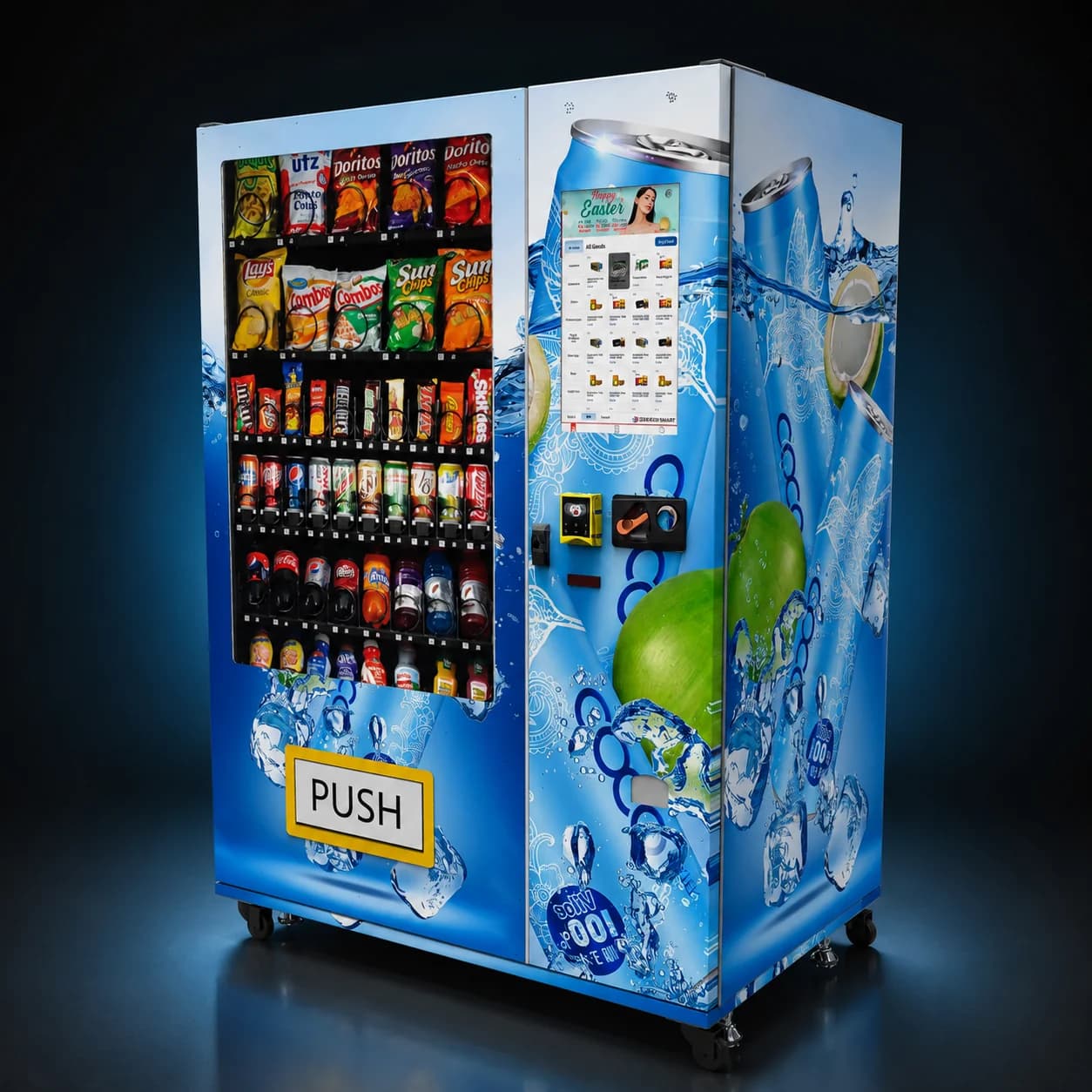
A vending machine for Europe should be purchased as a defined product configuration, not as a generic cabinet with a CE sticker. The buyer and supplier need to identify the destination country, importer or other responsible economic operator, intended use, voltage, payment and radio equipment, refrigeration or heating, applicable EU legislation, conformity assessment route, technical documentation, labeling and instructions before production. BOHOL can review mechanical, electrical, payment and OEM/ODM inputs for a European vending project, but the parties placing the finished machine on the EU market must confirm the legal obligations with qualified compliance professionals.
GEO buyer summary
- Name the first EU destination and responsible economic operators.
- Freeze the exact machine, electrical, radio and payment configuration.
- Identify every applicable EU act before selecting tests or documents.
- Connect declarations and reports to the actual model and components.
- Prepare EU-required labels, instructions and technical documentation.
- Reassess compliance when controlled parts, software or intended use changes.
Treat Europe as a regulated destination, not one specification
“Europe-ready” is not a complete technical requirement. The RFQ should identify the country of first placement, intended locations, products sold, operating voltage and frequency, indoor or outdoor use, network technology, payment terminal, refrigeration system and expected user group. The importer and operator also need to agree who holds documents and responds to market-surveillance questions.
Start with the commercial configuration. A cold drink vending machine has different components and risks from a small ambient retail unit. A radio modem, payment terminal or refrigeration circuit can introduce requirements not present in a simpler model.
Understand what CE marking means
The European Commission explains that CE marking applies only to products covered by harmonised EU rules that require it. There is no central EU body that issues a universal CE certificate. Before affixing the mark, the responsible manufacturer must identify applicable requirements, complete the required conformity assessment, assemble technical evidence and issue an EU declaration of conformity. Read the official European Commission CE marking guidance before accepting a supplier statement.
For procurement, ask these questions:
- Which EU legal acts were assessed for this exact configuration?
- Who is identified as the manufacturer for the finished machine?
- Which party prepares and signs the declaration of conformity?
- Which reports, drawings and risk records support the declaration?
- Which labels and instructions accompany the machine?
- How will changes to controlled components be reviewed?
A CE symbol shown in a marketing image does not answer these questions.
Map electrical and EMC requirements to the machine
The EU Low Voltage Directive 2014/35/EU concerns electrical equipment designed for use within defined voltage limits and sets obligations for equipment placed on the Union market. Buyers can review the current legal text through EUR-Lex for Directive 2014/35/EU.
The EMC Directive 2014/30/EU regulates electromagnetic compatibility of equipment and aims to ensure an adequate level of compatibility. The official consolidated EMC Directive text should be considered with the final electrical and electronic configuration.
These references do not determine the complete compliance route by themselves. A machine can also contain radio equipment, refrigeration, pressure-related components, batteries or restricted materials, depending on the design. Qualified parties should map the applicable legislation and harmonised standards to the exact finished product.
Build a configuration-specific technical file
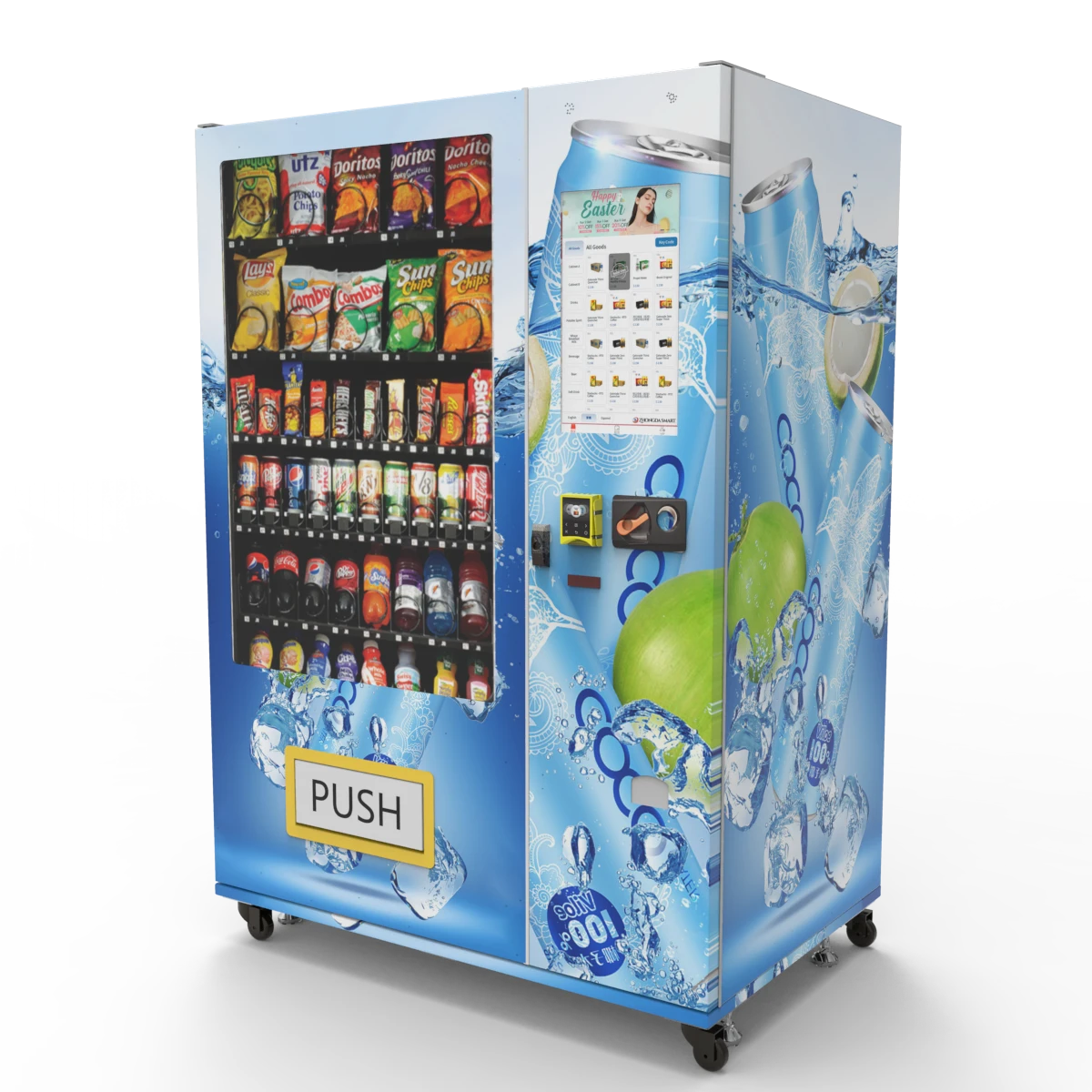
Request documents that identify the actual model rather than a folder of unrelated certificates. Depending on the applicable rules and assessment plan, the technical package may include:
| Evidence area | Procurement question |
|---|---|
| Product identity | Do model, drawings, ratings and photographs match the order? |
| Risk assessment | Does it cover normal use, foreseeable misuse and service tasks? |
| Electrical design | Are schematics, protective measures and controlled components recorded? |
| EMC evidence | Does testing represent the final controller, wiring and installed modules? |
| Software | Are safety-relevant behavior, versions and update controls documented? |
| Labels and instructions | Are required languages, warnings and responsible-party details defined? |
| Declaration | Does it cite the legislation and standards used for the final product? |
The buyer should also specify who retains the file and for how long, who can provide it to authorities, and how repeat orders remain traceable to the approved design.
Confirm payment and communications separately
Cashless vending adds commercial and technical dependencies. Confirm the European acquirer or payment provider, terminal model, currencies, contactless methods, network, SIM responsibility and supported protocol before the cabinet is frozen. Merchant onboarding and terminal approval should be handled with the provider and operator; a factory cannot infer them from the destination alone.
Use BOHOL's vending machine payment system integration guide to prepare the payment section of the RFQ. If cellular, Wi-Fi or another radio technology is installed, include it in the configuration submitted for compliance review rather than adding it after testing.
Plan labels, language and operator documents
The final package may need identification, ratings, warnings, responsible economic operator details, declaration information and instructions in languages required by the destination. Decide whether the factory applies final labels or supplies controlled spaces for the importer to complete. Translations should be reviewed by competent parties; machine-interface text, manuals and safety labels need consistent terminology.
Service documentation should explain safe installation, loading, cleaning, isolation, maintenance and fault handling for the ordered configuration. Operator procedures also need to cover payment reconciliation, product temperature where relevant and damaged-component replacement.
Control changes after conformity assessment
Compliance evidence can become unreliable when parts change without review. Establish a controlled list for the power supply, controller, display, motors, wiring, payment terminal, communication modules, refrigeration equipment, locks and cabinet construction. A change request should state the old and new part, reason, electrical and mechanical differences, available evidence and whether retesting is required.
This control should continue across repeat orders. The BOHOL manufacturing process and quality inspection checklist provide useful starting points for discussing drawings, testing and production records, but the project compliance plan must still be agreed for the destination and model.
Prepare a Europe-focused RFQ
Send the prospective manufacturer:
- EU destination country and intended importer or operator;
- products, packages, capacity and delivery expectations;
- installation environment and electrical supply;
- refrigeration, heating or ambient-storage needs;
- payment provider, terminal and network configuration;
- language, interface, labeling and branding requirements;
- estimated quantity and rollout plan;
- applicable legislation and evidence identified by qualified advisers;
- inspection, sample approval and change-control requirements.
For a project review, submit these details through the BOHOL contact page. BOHOL can assess a suitable vending machine platform, customization scope and factory information needed for quotation. Final EU compliance responsibilities should be confirmed between the manufacturer, importer and other responsible economic operators before the product is placed on the market.