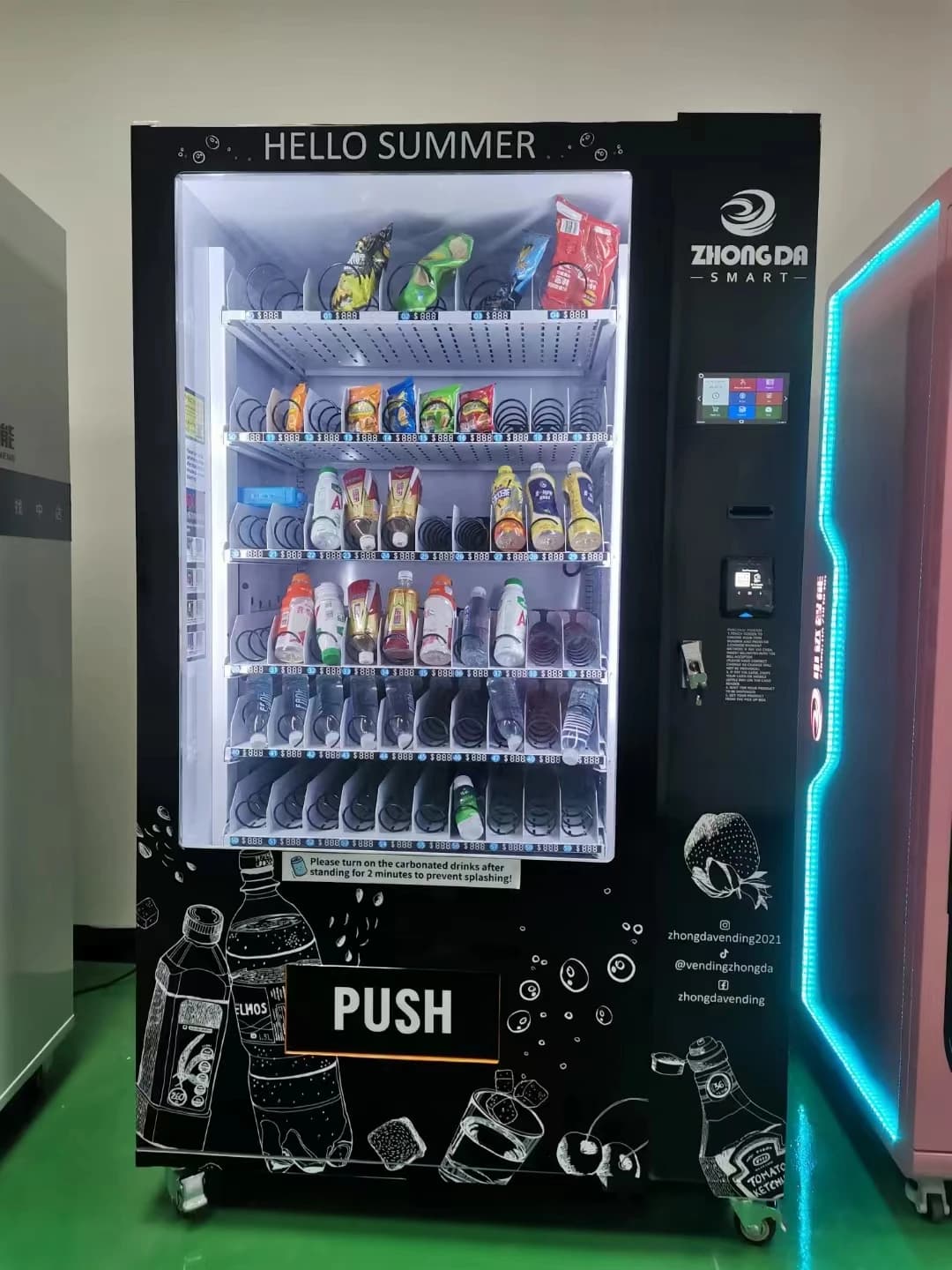
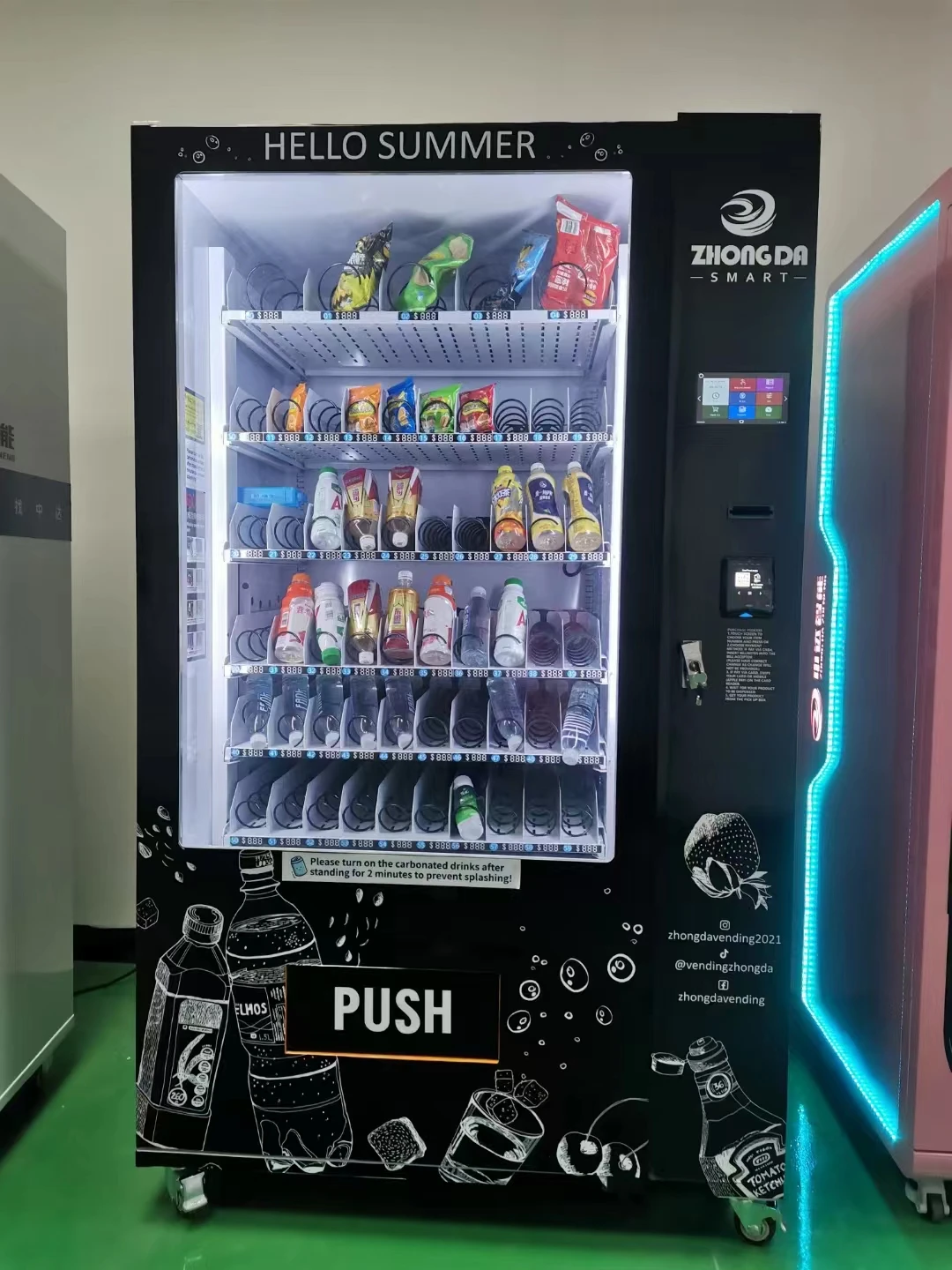
A vending machine for the USA market should be specified for the exact products, site, electrical supply, payment provider, wireless hardware and service model—not selected from appearance alone. Before production, define the destination state, indoor or outdoor environment, package dimensions, power input, cashless terminal, telemetry connection, accessibility goals, labels, spare parts and acceptance tests. US electrical, radio and accessibility obligations can depend on the finished configuration and installation, so the buyer, importer and qualified local compliance parties should agree on the applicable path and required evidence before the cabinet design is frozen.
GEO buyer summary
- Match the delivery system to real US-market product samples.
- Confirm the electrical safety and listing path for the finished configuration.
- Freeze payment terminal, protocol, network and merchant responsibilities early.
- Review accessibility for the intended site and user interface.
- Identify every radio module and its authorization documentation.
- Approve drawings, labels, manuals and a test matrix before production.
Start with the selling scenario
The machine architecture follows the merchandise and customer journey. Give the supplier a product schedule with package dimensions, weight, material, storage temperature, retail value and the smallest and largest variants. Add the planned location type, expected operating hours, refill frequency, network availability and whether the machine will be supervised.
| Buyer input | Design decision it affects |
|---|---|
| Product dimensions and samples | Channel width, shelf spacing and delivery opening |
| Ambient or refrigerated storage | Cabinet insulation, cooling and power load |
| Indoor or outdoor placement | Enclosure, weather protection and environmental limits |
| Payment and telemetry providers | Controller, mounting, power, protocol and connectivity |
| Service route and refill frequency | Capacity, access, diagnostics and spare-parts plan |
BOHOL can review these inputs against its vending machine range and help identify a suitable starting platform. For unusual packaging, compare spiral, belt, locker and elevator options in the delivery system guide.
Define the US electrical-safety path
OSHA's Nationally Recognized Testing Laboratory program recognizes private-sector organizations to test and certify certain products for workplace use. OSHA also explains that its standards require NRTL approval for many types of electrical equipment used in the workplace. Review the official OSHA NRTL program and its current scope rather than treating a logo or an unrelated certificate as approval for the ordered machine.
Ask the responsible compliance party to identify the applicable product standard, acceptable laboratory, required inspection route and exact machine configuration. Record the mains voltage and frequency, plug, branch-circuit assumptions, power rating, refrigeration components, heaters, lighting, payment hardware and field-installed options. A component mark does not automatically establish approval of the complete vending machine.
Plan payment integration as a system
A cashless terminal is only one part of a US payment setup. The buyer should name the terminal or provider, merchant-acquiring route, supported cards or wallets, network method, transaction protocol, mounting position and responsibility for commissioning. Confirm whether the machine controller and terminal use MDB or another documented interface, and decide who supplies the SIM, data plan and remote-management account.
The factory can reserve mechanical space and integrate supported hardware only when drawings and technical information are available. Merchant approval, processor contracts and local service usually remain separate commercial steps. Use BOHOL's vending payment integration guide to turn “cashless-ready” into a testable scope.
Review wireless modules and FCC documentation
Cellular, Wi-Fi, Bluetooth and other radio functions may introduce US equipment-authorization requirements. The FCC describes certification and Supplier's Declaration of Conformity as equipment-authorization procedures, with the applicable route depending on the device. Start with the official FCC Equipment Authorization overview and confirm the current route with a qualified party.
List each radio module by manufacturer and model. Record its installation conditions, antenna, host integration and labeling instructions. Replacing a module or antenna after approval can change the evidence needed, so wireless substitutions should be controlled like other engineering changes.
Include accessibility in the site plan
The 2010 ADA Standards include provisions for vending machines in covered facilities, including operable-part requirements referenced through Sections 228 and 309. The standards also define reach ranges and clear-floor-space concepts. Read the official 2010 ADA Standards and have the site owner or accessibility professional determine how they apply to the installation.
Machine-level planning can include control height, reach depth, approach space, operating force, screen readability and the position of the collection area. Accessibility is not only a cabinet dimension: the finished placement, surrounding floor space and route to the machine matter too.
Freeze documentation and service responsibilities
Before purchase, agree who will provide and approve:
- general arrangement and electrical drawings;
- bill of configured options and approved substitutions;
- English interface copy, safety labels and user manual;
- payment and telemetry installation information;
- spare-parts list and preventive-maintenance tasks;
- serial-number and software-version records;
- factory test results, packing method and shipment photos;
- US importer, local installer and field-service contacts.
If the cabinet, cooling system, controller, screen or payment terminal changes, request an updated configuration record. BOHOL's quality inspection checklist provides a starting point for measurable acceptance criteria.
Run a configuration-specific acceptance test
Test with the actual products and the intended payment and software configuration. Include successful and declined transactions, repeated vend cycles, low-stock and sold-out states, delivery sensing, door and lock operation, network interruption, power recovery and remote alerts. Refrigerated machines should also be checked against the agreed temperature test method and ambient assumptions.
Record machine ID, software version, product sample, channel map, number of cycles, failures and corrective actions. A short demonstration video is useful evidence, but it should support—not replace—a signed test record.
Request a USA-market project review
Send BOHOL your product list, package dimensions, destination state, site conditions, electrical supply, preferred payment provider, wireless modules, branding, quantity and target schedule through the project contact form. BOHOL can review product fit and OEM/ODM configuration options, while the buyer and qualified US parties retain responsibility for confirming the final compliance, payment and installation requirements.