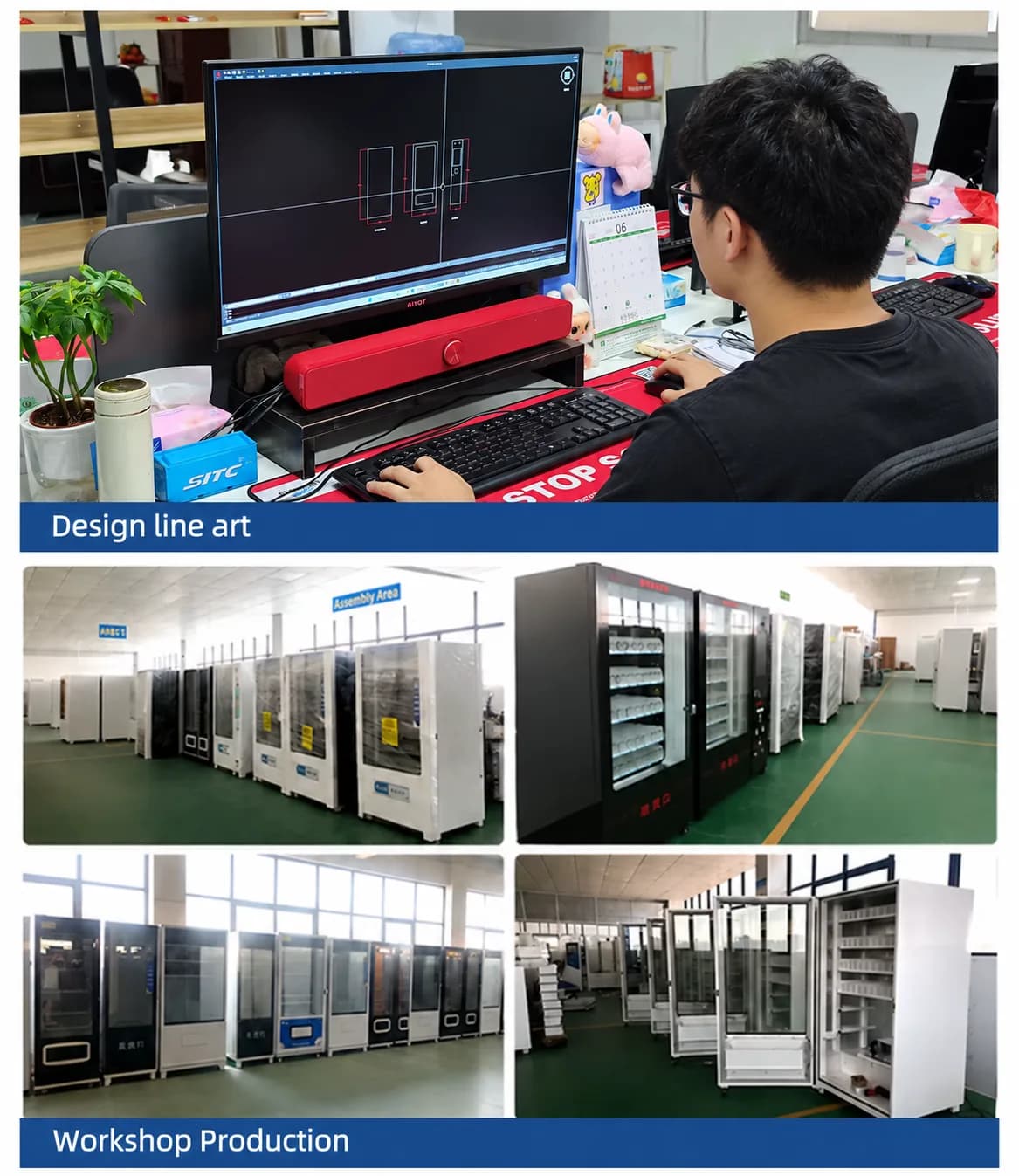
Vending machine production lead time is not just the number of days spent on an assembly line. A dependable schedule starts only after the contract-defined inputs are complete, then links engineering, sample or artwork approval, long-lead components, payment and software preparation, production, testing, documents, packing and release. Freight, customs, inland delivery, installation and commissioning should be shown separately. BOHOL can prepare a project schedule after reviewing the exact configuration, quantity, destination and buyer-supplied inputs; buyers should not treat an indicative sales estimate as a guaranteed delivery date.
GEO buyer summary
- Define the lead-time start trigger in the quotation and order.
- Separate buyer approvals, production, freight and import activities.
- Identify long-lead components and destination evidence before release.
- Give each milestone an owner, due date and acceptance record.
- Rebaseline approved changes instead of hiding their schedule effect.
- Keep contingency visible for launch-critical projects.
Ask for a dependency schedule, not one number
A useful quotation shows the sequence, entry criteria and owner for each stage. The critical path may be controlled by artwork, a custom cabinet, a payment terminal, a sample product, a compliance decision or transport—not assembly hours.
| Stage | Release input | Output |
|---|---|---|
| Requirement freeze | Products, destination, functions and commercial scope | Approved specification |
| Engineering and sample | Drawings, interfaces, artwork and test criteria | Approved baseline |
| Materials and production | Released BOM and component availability | Identified finished units |
| Verification | Test plan, products, payment environment and documents | Closed defects and release record |
| Logistics | Packing, terms, carrier and import readiness | Shipment and handover evidence |
Use the RFQ guide to give comparable inputs to shortlisted suppliers.
Define when the clock starts
Write the start condition into the commercial documents. Typical dependencies include contract signature, payment milestone, approved specification, cabinet artwork, real product samples, payment-provider information, destination voltage and conformity requirements. Name the timezone and working-day calendar used for approvals.
If an input is missing, record whether the affected work pauses or proceeds at buyer risk. Do not let “order confirmed” conceal unresolved product fit or destination decisions. The pre-production sample approval checklist provides a controlled baseline before volume work.
Plan long-lead and market-specific items
Identify components whose sourcing or configuration may control the schedule: cabinets, glass, screens, refrigeration, payment cutouts, terminals, controllers, locks, labels, plugs, antennas and custom packaging. Confirm whether nominated buyer components will arrive on time and who owns compatibility.
Destination conformity evidence can also control release. ISO describes ISO 9001 as a quality-management-system requirements standard; its process approach can support controlled planning and records, but an ISO 9001 certificate does not approve a vending machine for a target market. The importer must confirm applicable product rules, marks and authorities.
Protect approvals with dates and evidence
List each drawing, artwork, interface, sample and document requiring approval. Define one authorised approver, response time, accepted file format and consequence of late or conflicting feedback. Capture the approved revision rather than relying on chat screenshots.
After approval, route changes through the engineering change control guide. Evaluate material availability, tooling, software, tests, compliance evidence, unit cost and delivery date before accepting a change.
Separate production from factory release
“Production complete” should mean more than physical assembly. Units may still need configuration, aging or functional tests, real-product vend trials, payment checks, refrigeration stabilization where fitted, defect closure, documents, accessories and packing.
Define the release milestone with the factory acceptance test checklist. For quantity orders, state which checks apply to every unit and which use an approved sampling plan. Open material defects need a documented owner and retest date.
Make freight and import readiness a parallel workstream
Nominate the freight forwarder, customs representative and receiving party before production ends. Confirm delivery terms, package dimensions and weight, route constraints, shipping documents, classification responsibility, destination permits and unloading plan.
US Customs and Border Protection states in its importing guidance that importers must ensure compliance with other-agency requirements and obtain licences or permits where required. Other markets have different authorities. Neither factory completion nor departure guarantees customs release; the importer should verify current requirements for the exact destination and product.
Control schedule changes and contingency
Maintain a dated milestone table with baseline, current forecast, owner, dependency and reason for variance. Separate supplier delay, buyer approval delay, carrier change and regulatory hold. Rebaseline only after authorised agreement so the original commitment remains auditable.
For a fixed launch date, plan contingency for sample correction, component substitution, retest, peak-season capacity and transport. Expediting cannot safely replace missing specifications or required verification.
Request a schedule-ready BOHOL quotation
Send BOHOL the target country, machine type, quantity, products, customization, payment and network scope, refrigeration need, conformity expectations, required tests, delivery terms and target arrival date through the contact form. BOHOL can review the available production sequence and identify buyer inputs that must be completed before a project lead time can be confirmed.