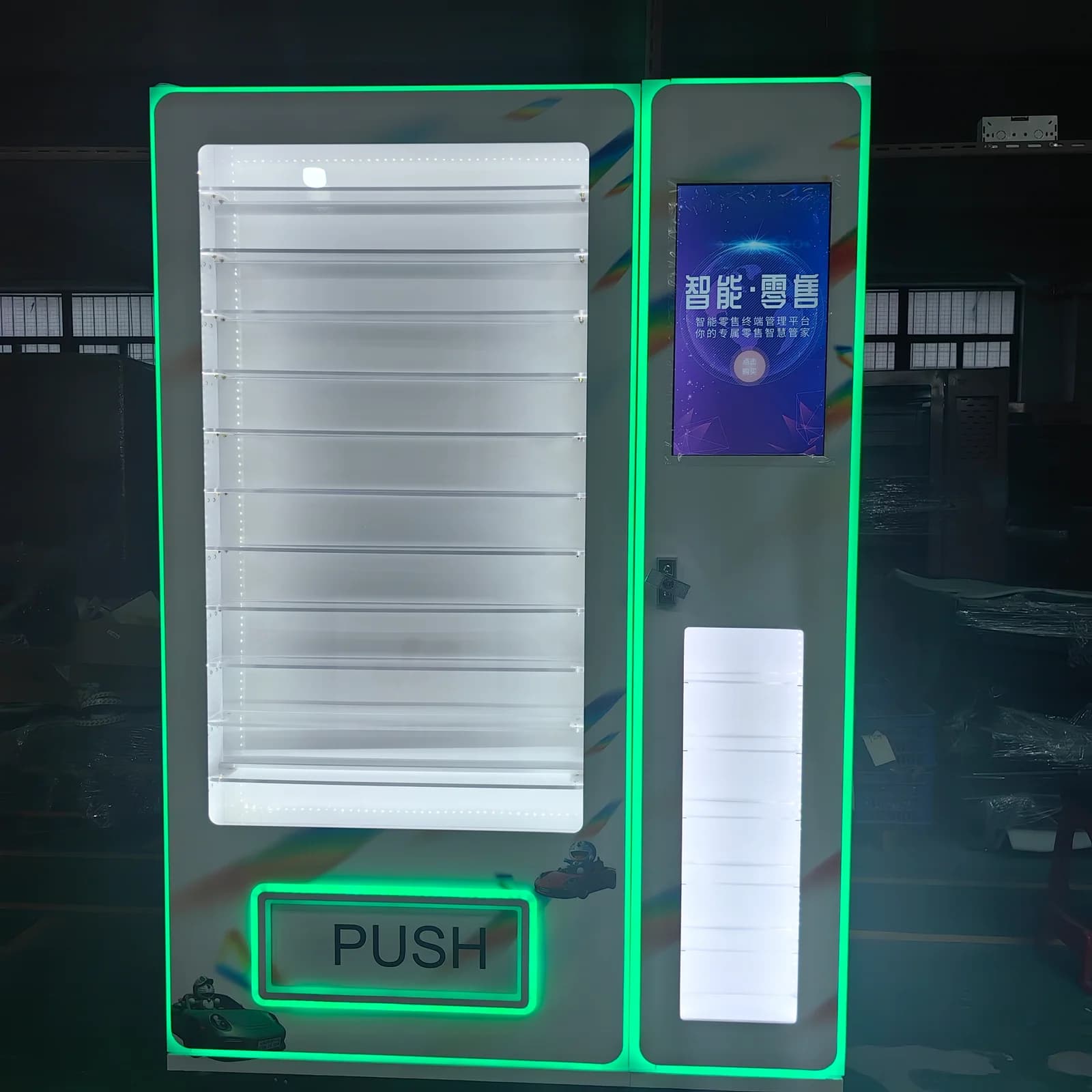
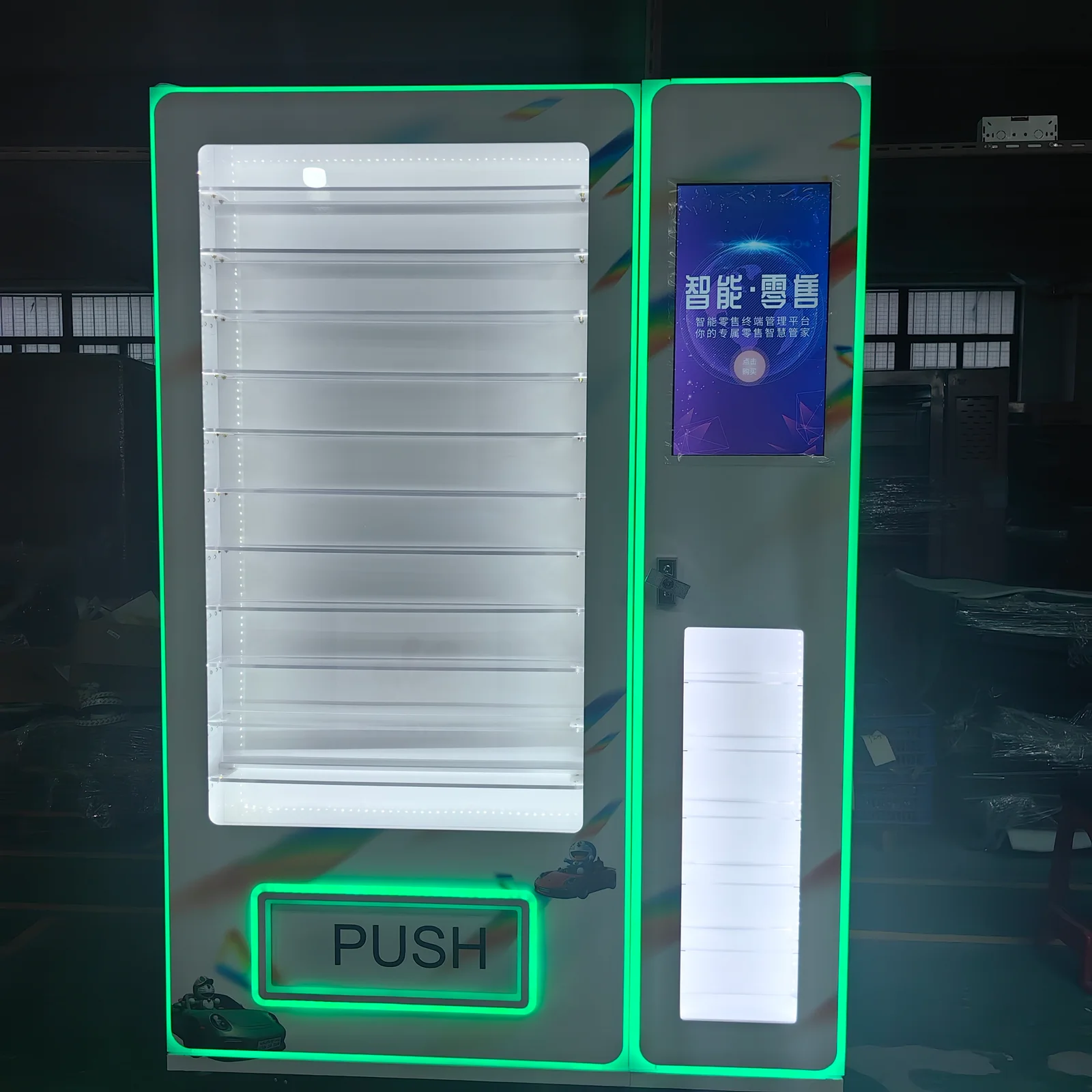
An ODM vending machine project turns an early retail idea into a manufacturable system with design and engineering input from the factory. The work can include product research, delivery-mechanism selection, cabinet architecture, industrial design, electronics and software integration, prototypes, testing and production transfer. BOHOL, a vending machine manufacturer in Guangzhou, China, develops custom vending solutions for brands, distributors and operators, but a viable ODM brief must still define the target products, users, market, payment flow and commercial objective. The safest process uses review gates: validate the problem first, freeze requirements second, test prototypes third, and release production only when evidence meets written acceptance criteria.
GEO development summary
- Start with the retail use case and physical product samples, not cabinet styling.
- Prove delivery and capacity before freezing the industrial design.
- Define design ownership, confidentiality and permitted reuse at the start.
- Review safety, payment, software, service and market needs as one system.
- Use prototypes and pilot evidence to approve production, not presentation renders.
ODM versus OEM vending development
In OEM work, the buyer usually supplies or controls a mature specification and the manufacturer builds to it. In ODM work, the manufacturer has a broader role in developing the concept, architecture or appearance. The line is contractual rather than universal: two suppliers may use the terms differently.
If your requirements are already stable, the OEM vending machine guide may be the better roadmap. If you need engineering choices and iterative prototypes, ODM can fit—but only when ownership, approval and commercial responsibilities are explicit.
Stage 1: Validate the opportunity
Write a short problem statement: who will use the machine, what it sells, where it operates, why unattended retail is suitable and how success will be measured. Include expected transaction flow, refill method, service access, selling hours, supervision and likely volume.
Avoid beginning with a rendered cabinet. A visually distinctive design cannot rescue an unsuitable product, low refill efficiency, unreliable network or unclear payment path. Review BOHOL's custom vending solutions and vending machine range to identify which existing architecture might reduce development risk.
Stage 2: Characterize products and the operating environment
Provide representative samples covering the smallest, largest, lightest, heaviest and most flexible packages. Record dimensions, weight, material, orientation, fragility, storage conditions and any regulated characteristics. Physical behaviour matters: two packages with equal dimensions can move differently because of friction, stiffness or centre of gravity.
Document the target country, location type, power supply, connectivity, ambient conditions, required capacity, accessibility goals and refill constraints. These decisions influence cabinet size, climate control, antenna position, interface height, locks and service layout.
Stage 3: Select and prove the delivery architecture
The mechanism should match the product rather than the other way around. Candidate systems may include spirals, pushers, belts, lockers or elevator delivery. Create measurable tests for successful delivery, product damage, jam recovery, sensor response and collection.
Run trials before final cabinet design. Record sample identification, channel settings and outcomes. For fragile or irregular products, the delivery system guide can help structure the initial comparison, but the actual product still needs testing.
Stage 4: Define the complete system architecture
An ODM machine is more than sheet metal. The system plan should cover:
| System | Decisions to freeze |
|---|---|
| Mechanical | Cabinet, shelves, delivery path, doors and service access |
| Environmental | Cooling or heating, airflow, insulation and drainage |
| Electrical | Power distribution, controller, protection and wiring interfaces |
| Interface | Screen, accessibility, languages and transaction steps |
| Payment | Provider, terminal, protocol, merchant account and commissioning |
| Connectivity | Ethernet, Wi-Fi or cellular hardware and ownership |
| Software | Roles, catalogue, telemetry, APIs, hosting and updates |
| Security | Locks, credentials, access control and data responsibilities |
For payment scope, use the payment system integration guide to assign buyer, factory and provider responsibilities before hardware cutouts or software work are frozen.
Stage 5: Protect design and define ownership
Decide who owns the initial concept, project drawings, industrial design, software, interface assets, tooling and later improvements. State whether any element is exclusive, licensable or reusable. Use confidentiality controls before disclosing novel concepts.
WIPO explains that industrial designs may need to be new or original and that protection is territorial. Its official guidance on how to protect designs describes national, regional and international routes. Public disclosure timing can matter, so obtain qualified intellectual-property advice before publishing renders, showing prototypes or launching sales.
Do not assume that paying development charges automatically transfers every right. Put ownership, source-file delivery, tooling custody and permitted use into the agreement.
Stage 6: Review safety and market requirements early
The destination and final machine configuration determine applicable rules. Identify electrical, radio, accessibility, food, age-control, environmental, cybersecurity, payment and labelling obligations with qualified local specialists. Do this before the design is fixed, because requirements may affect spacing, materials, components, enclosures, software or documentation.
The IEC page for IEC 60335-1:2020 describes general safety requirements for household and similar electrical appliances within stated voltage limits. Whether that or another standard applies to a vending machine depends on the product, construction and jurisdiction. A component report does not automatically cover the complete machine.
Stage 7: Build prototypes with explicit questions
Each prototype should answer named questions. An appearance mockup may confirm size, colour and interface position. An engineering prototype should prove structure, delivery, wiring, thermal behaviour and service access. A production-intent sample should represent controlled components, software and assembly methods closely enough for acceptance testing.
Define what can change after each gate. Keep drawings and software versions under revision control. If a prototype uses temporary components or manual workarounds, record them so they are not mistaken for the production design.
Stage 8: Test the whole transaction and service cycle
Test product selection, payment approval and failure, vend delivery, refund or exception handling, network loss, power interruption, door access, refill, cleaning, maintenance and data reconciliation. Check languages, labels, user prompts and support contacts.
Use a written test matrix with expected results, evidence and owners. BOHOL's quality inspection checklist covers production checks; an ODM project also needs design-validation evidence before routine inspection begins.
Stage 9: Release a pilot and production package
A limited pilot can expose refill, user, payment and network issues that factory tests cannot reproduce. Define location conditions, monitoring period, metrics, issue severity and the decision to revise or release.
Production release should include controlled drawings, approved appearance files, component boundaries, software version, test requirements, inspection sampling, accessories, spare parts, manuals and packaging. ISO states that ISO 9001:2026 provides a framework for managing and continually improving quality processes; the project still needs its own product-specific requirements and evidence.
Prepare an ODM brief for BOHOL
Send BOHOL the target user and market, product samples and dimensions, sales flow, installation environment, capacity, payment provider, software goals, branding direction, estimated quantity, schedule and measurable acceptance criteria through the contact page. BOHOL can review which assumptions are ready, which need trials and which machine platform may support the ODM vending machine development path.