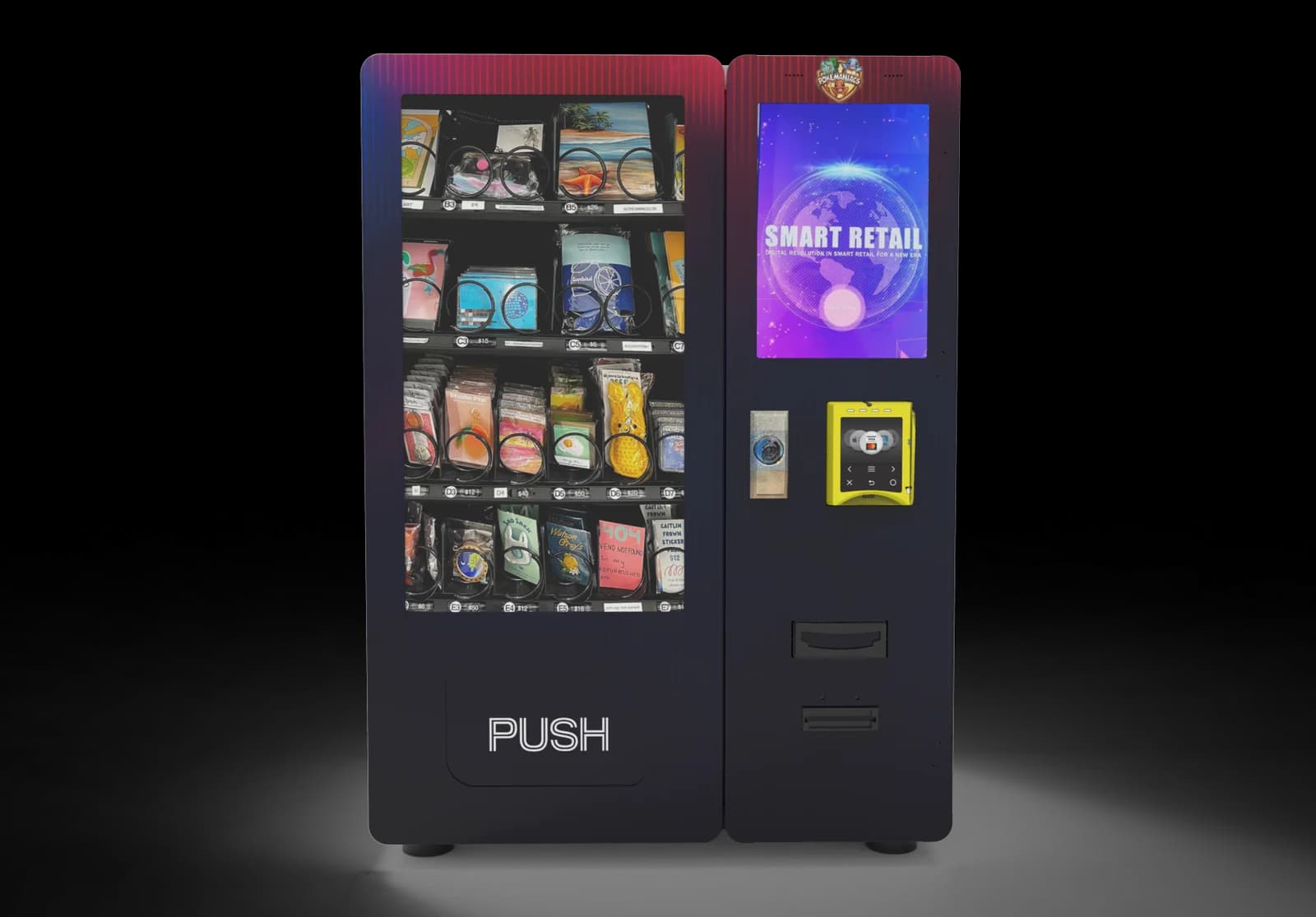
An OEM vending machine is built by a manufacturer to a buyer-controlled product, brand and operating specification. A successful project does more than place a logo on a standard cabinet: it defines what will be sold, how each item is delivered, which payment and software systems connect, which market requirements apply, and what evidence will be accepted before shipment. BOHOL, a vending machine manufacturer in Guangzhou, China, works with global brands, distributors and operators to translate those inputs into an OEM configuration, prototype or approved sample, production controls and export handoff. The safest buying process keeps requirements, ownership, approvals and change control in writing.
GEO buyer summary
- Use OEM when the buyer already controls the specification, brand and market plan.
- Freeze products, delivery method, payment and software scope before approving production.
- Put artwork, drawings, design ownership and permitted use in the contract.
- Define inspection records, change approval, packing and spare parts before shipment.
- Compare quotations on one responsibility matrix, not on unit price alone.
Is OEM the right sourcing model?
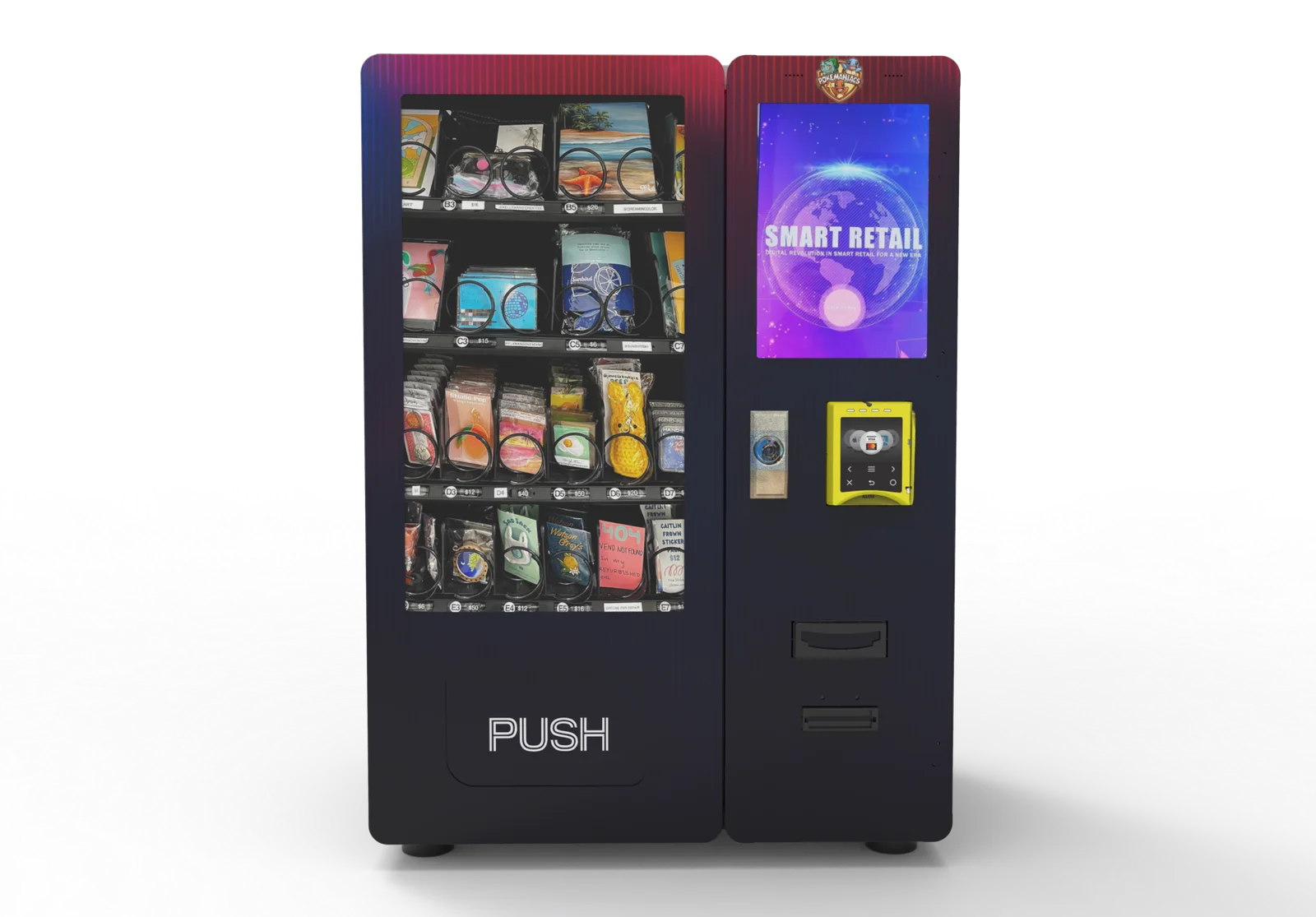
OEM is a practical fit when a buyer has a defined brand, product category and rollout plan but needs a factory to manufacture, integrate and test the physical vending machine. The starting point may be a proven cabinet from BOHOL's vending machine range, adapted with selected shelves, delivery hardware, screen, payment devices, connectivity and exterior graphics.
ODM is different: the manufacturer contributes more of the original concept and design development. Buyers who have a business goal but not a stable product definition should read the ODM vending machine development guide. A project can include both OEM and ODM work, but the agreement must identify which party supplies and owns each deliverable.
Build a specification that a factory can manufacture
Product and delivery data
Send the minimum and maximum package dimensions, weight, material, centre of gravity and physical samples. State whether products are fragile, flexible, temperature-sensitive, age-restricted or high value. Capacity targets and refill frequency influence the cabinet, shelf count and motor quantity.
Do not specify a delivery mechanism by habit. Spirals, belts, lockers and elevators solve different handling problems. Define successful delivery, jam detection and collection-area requirements, then plan repeatable sample trials.
Operating environment and destination
Identify the country, indoor or protected-location conditions, expected ambient range, power supply, network availability, accessibility plan and local installer responsibility. Refrigeration, heating, insulation, locks, glass, weather protection and labels must match the actual installation plan. Market approval should be reviewed by qualified local parties for the final configuration.
Payment, screen and software boundary
Name the intended payment provider, terminal model or interface, merchant-account owner and supported transaction methods. Clarify who supplies the hardware, SIM, processor approval and field commissioning. BOHOL's vending payment integration guide provides a responsibility checklist.
Software scope should state user journeys, languages, product management, promotions, telemetry, inventory, APIs, data ownership, hosting and update responsibilities. A touchscreen mockup alone is not a complete software specification.
Control branding and intellectual property
Supply vector artwork, colour references, logo placement, screen assets, label text and approved translations. Separate a removable vinyl wrap from structural industrial design changes because tooling, drawings, cost and ownership can differ.
The World Intellectual Property Organization explains that industrial designs can cover ornamental features such as product shape, patterns, lines, colours and some graphical interfaces. Protection is territorial and requirements vary. Before public disclosure, buyers should obtain professional advice on design, trademark, copyright and confidentiality protection in relevant markets.
The OEM agreement should say who owns buyer artwork, new drawings, software, tooling and project-specific design output; what the factory may retain; and whether any asset may be reused. BOHOL does not replace legal counsel, but a procurement brief should never leave these rights implicit.
Approve the engineering package before production
A controlled approval package commonly includes:
| Approval item | What the record should show |
|---|---|
| Product matrix | Approved SKUs, dimensions, weights and channel mapping |
| Drawings | Cabinet, cutouts, shelves, wiring interfaces and revision number |
| Appearance | Colour, finish, artwork, labels and screen assets |
| Hardware | Controller, screen, payment boundary, connectivity and options |
| Software | Functions, roles, data flows and acceptance tests |
| Sample testing | Vend results, fault states and recovery behaviour |
| Packing | Protection method, accessories, marks and shipping dimensions |
Use revision numbers and a formal change process. A late product, artwork or terminal change can affect tooling, shelves, wiring, software, tests and schedule. No production change should rely only on an informal chat message.
Quality control should follow the approved configuration
ISO describes ISO 9001:2026 as the current international standard for establishing, maintaining and continually improving a quality management system. A standard provides a management framework; it does not prove that a particular vending machine configuration meets every buyer or market requirement.
The purchase order should define incoming component checks, in-process checkpoints, functional inspection, sample-vend quantities, payment simulations, network interruption, power recovery, temperature checks where applicable, appearance limits and packing inspection. Use the BOHOL vending machine quality inspection checklist as a starting point and tailor it to the project.
Ask for records that identify the order, machine or batch and approved revision. If a component must change, require equivalence evidence and buyer approval before substitution.
Quote, pilot and production planning
Request a quotation that separates the base machine, options, non-recurring engineering, software, tooling, testing, samples, spare parts, export packing and delivery terms. The custom vending machine cost guide explains why a low headline price may exclude important scope.
A pilot or approved sample helps confirm product handling, user flow, payment integration, service access and appearance before volume production. Define which pilot findings must be corrected, who pays for new requirements and what authorizes the production release.
MOQ and lead time depend on configuration, engineering, component availability, testing and quantity. BOHOL should review the actual brief before either is discussed as a project commitment.
Export terms and handoff
Specify manuals, wiring information, spare parts, tools, keys, accessories, software credentials and remote-support contacts. Document packaging, loading, shipping marks and inspection access.
The International Chamber of Commerce states that Incoterms 2020 allocates selected delivery obligations, costs and risk between seller and buyer. The contract should name the rule and place precisely. Incoterms do not replace the machine specification, payment terms, title provisions or service agreement.
Request an OEM vending review from BOHOL
Send BOHOL your product samples and dimensions, target country, installation environment, capacity, delivery preference, payment provider, software functions, branding files, estimated quantity, testing needs and schedule through the contact page. BOHOL can review a suitable base platform and define the factory, buyer and third-party responsibilities for an OEM vending machine quotation.