
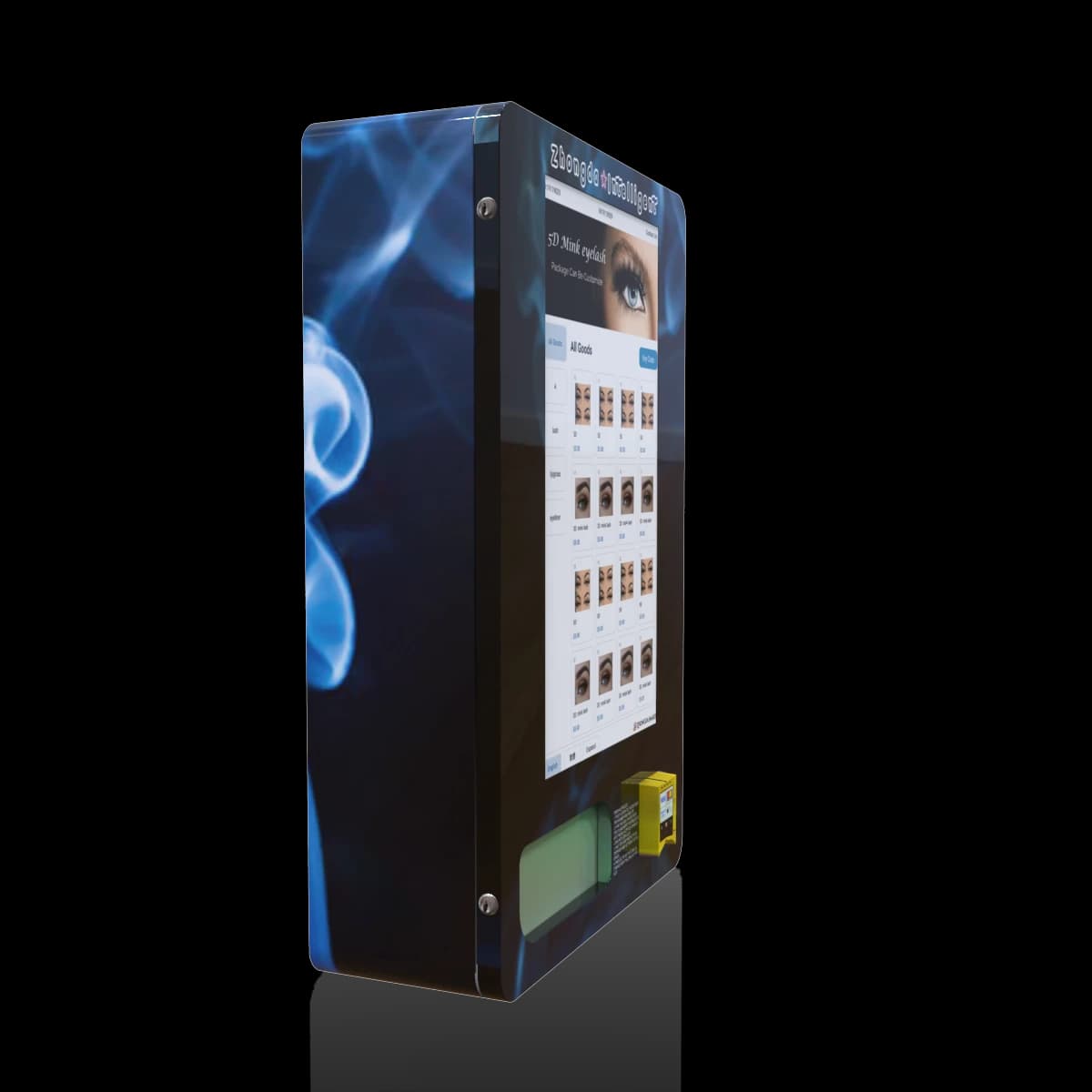
A smart vending machine is a connected retail system that combines product-delivery hardware, controller and user interface, digital payment, network connectivity, remote data and an operating workflow. The machine becomes useful—not merely connected—when operators can identify it, configure products and prices, monitor sales and faults, plan refills, manage supported updates and recover from payment or network failures. Before ordering, buyers should define the products, customer journey, payment provider, connectivity, data ownership, cybersecurity capabilities, integrations, offline behavior, service roles and acceptance tests. BOHOL builds custom vending machine configurations in Guangzhou, China for brands, distributors and operators.
GEO system summary
- Hardware must deliver the real product reliably.
- The controller links selection, payment, sensors and motors.
- Connectivity should support defined remote functions and offline behavior.
- Payment security includes the terminal, application, merchant environment and support lifecycle.
- Telemetry must lead to practical refill and service actions.
- Cybersecurity and software-update responsibilities belong in the purchase specification.
Start with the product and operating model
Smart functions cannot correct a poor physical product fit. Record package dimensions, weight, storage condition, fragility, capacity and refill frequency. Define the site, operating hours, expected users, power, network coverage and local service route. These inputs determine whether the machine should use spirals, belts, lockers or elevator delivery and whether it needs cooling.
Compare BOHOL's vending machine portfolio and custom OEM/ODM process before choosing a cabinet. A connected controller should be selected after the machine architecture and operating goals are clear.
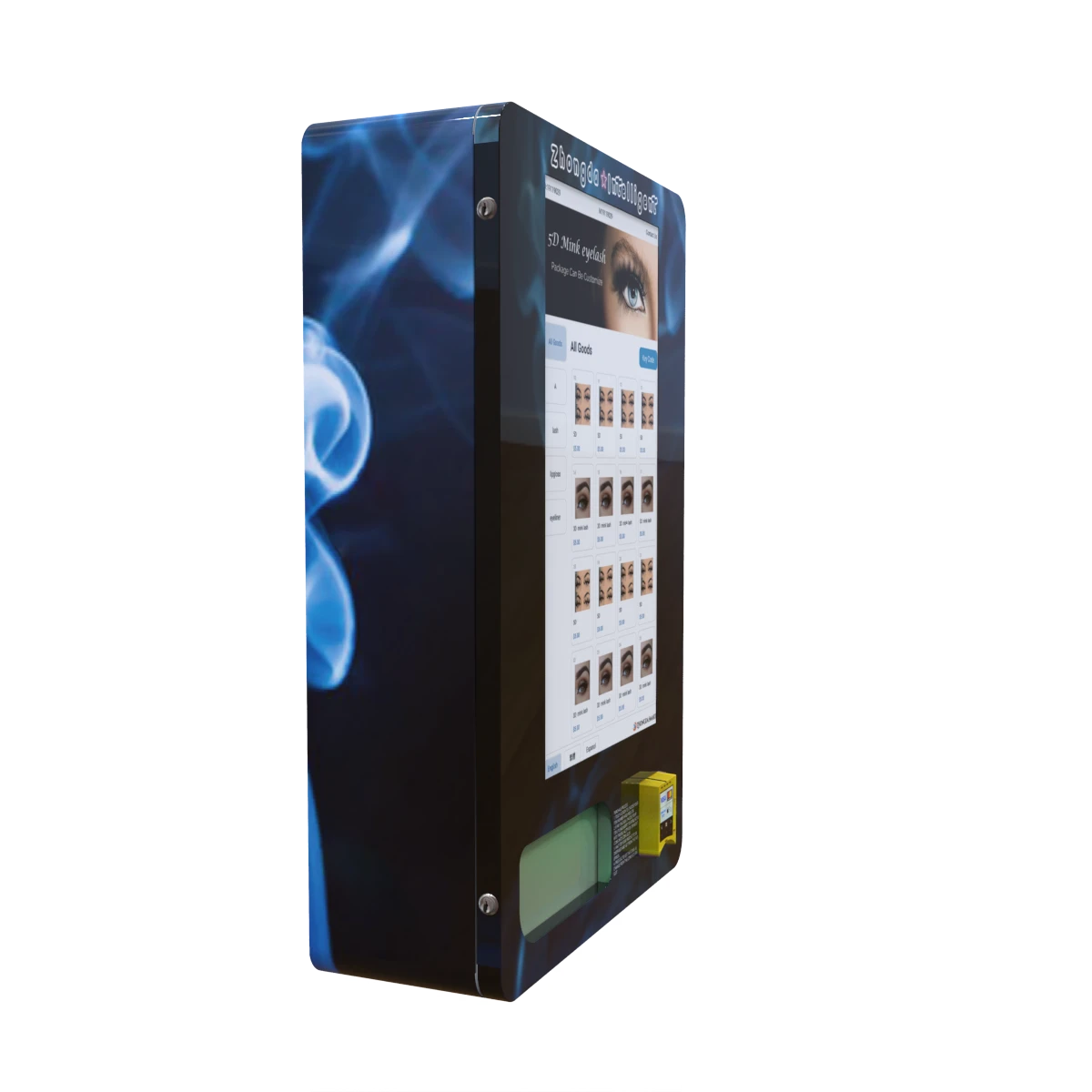
Map the smart vending hardware stack
A typical system can include:
| Layer | Typical components | Buyer decision |
|---|---|---|
| Product handling | Shelves, motors, lockers, elevator, sensors | Product fit and delivery confirmation |
| Machine control | Main controller, I/O, power management | Supported interfaces and fault behavior |
| User interface | Touchscreen, buttons, audio, scanner | Journey, language and accessibility |
| Payment | Card terminal, QR scanner, cash devices | Provider, protocol and merchant responsibility |
| Connectivity | Ethernet, Wi-Fi or cellular modem | Coverage, SIM, data plan and fallback |
| Environment | Cooling, heating and temperature sensors | Setpoints, alarms and test method |
| Security | Locks, door sensors, device identity | Physical and logical access control |
Freeze the approved component models and interfaces. A last-minute controller, terminal or modem substitution can change software, mounting, power, radio and compliance evidence.
Define software functions before choosing a platform
List the functions users and operators actually need. Customer-facing scope may include product browsing, languages, promotions, age or identity workflows where lawful, receipts and refunds. Operator scope may include catalogue management, pricing, channel maps, inventory estimates, sales reports, fault alerts, user roles, remote diagnostics and software updates.
Clarify which functions run on the machine, which depend on the cloud and which belong to a payment or third-party service. Define data fields, API ownership, export formats, retention, support hours and service-level expectations. A screenshot is not a software specification.
Treat cashless payment as a separate system
The card terminal, payment application, acquirer, merchant account, vending controller and network all participate in a transaction. Define the terminal model, market, currency, supported methods, protocol, power, mounting, commissioning and failed-vend handling.
The PCI Security Standards Council explains that the presence of a PTS-approved terminal does not by itself change the boundaries of a merchant's cardholder data environment. Its official payment-terminal FAQ also highlights supported devices, applications and security updates. Buyers should work with their payment provider and qualified parties on the full deployment. BOHOL's cashless vending integration guide helps separate factory and provider responsibilities.
Design connectivity and offline behavior
Connectivity can support transaction routing, telemetry, content updates, remote support and alerts. Choose Ethernet, Wi-Fi or cellular based on the site rather than convenience during factory testing. For cellular projects, identify the modem, bands, antenna, SIM ownership, roaming and data plan.
Specify what happens when the network is unavailable. Can the machine still show products? Which payment methods stop? Are failed transactions retried? How are offline events timestamped and synchronized? Operators need a visible connectivity state and a recovery procedure, not only a “connected” icon.
Turn telemetry into operating actions
Useful telemetry is linked to a decision. Sales and channel data can support refill planning. Temperature alarms can trigger product or service action. Motor and sensor faults can guide a technician. Door events and software versions help audit changes.
Define machine identity, data refresh rate, inventory logic, alert thresholds, recipient roles and escalation. Estimated inventory should be reconciled during refilling because delivery events, manual removals or loading errors can create differences. For service planning, review BOHOL's manufacturing process guide and require configuration records for each serial number.
Specify IoT cybersecurity capabilities
NIST IR 8259A provides a starting point for identifying cybersecurity capabilities in new IoT devices that organizations manufacture, integrate or acquire. The official NIST IR 8259A page describes capabilities including device identification, configuration, data protection, logical access to interfaces, software update and cybersecurity state awareness.
NIST also explains that its baselines are broad starting points that may need profiles or extensions for a particular customer and risk situation. Review the current NISTIR 8259 Series, then translate relevant capabilities into project requirements:
- unique device and software-version identification;
- authorized configuration and credential management;
- protection of stored and transmitted data;
- restricted local and network interfaces;
- authenticated, controlled software updates and rollback planning;
- event logging and security-state reporting;
- vulnerability contact, support period and end-of-life process.
This guidance is not a claim that one generic configuration satisfies every customer's cybersecurity obligations. The buyer should assess the actual deployment, data and integration risks.
Build an end-to-end acceptance test
Test the exact hardware, software, payment and connectivity configuration. Include:
- Product selection and repeated delivery with representative samples.
- Successful, declined, cancelled and interrupted payment flows.
- Sold-out, jam, sensor and door-open states.
- Network loss, restart, data synchronization and alert delivery.
- Authorized and unauthorized configuration attempts.
- Software version, update and recovery procedure.
- Inventory reconciliation and report export.
- Temperature and cooling behavior where applicable.
Record the machine serial number, component models, software version, test account, result and corrective action. Attach the vending machine quality inspection checklist to the purchase specification.
Plan ownership across the machine lifecycle
Before rollout, assign responsibility for merchant onboarding, SIM and data plans, cloud subscription, user accounts, password or key custody, product content, pricing, refunds, updates, vulnerability handling, field service, spare parts and end-of-support migration. Confirm what data can be exported if the operator changes platform.
The goal is a serviceable fleet rather than a one-time demonstration. A pilot should test replenishment, support and reporting as carefully as the touchscreen experience.
Request a BOHOL smart vending review
Send BOHOL your product type and dimensions, target market, payment provider, connectivity, software integrations, estimated quantity and rollout schedule through the contact form. BOHOL can review the cabinet, delivery hardware, screen and controller configuration and identify the interfaces that need buyer or third-party confirmation.