
A vending machine import documentation file should align the sales contract, chosen Incoterms rule and named place, commercial invoice, packing list, transport document, product description, tariff-classification data, origin evidence, insurance, wood-packaging records and destination conformity documents. Exact requirements depend on the importing country, machine configuration, route and transaction. BOHOL can provide agreed technical and shipment records for an OEM/ODM order, while the buyer or importer should confirm customs classification, duty, permits, local conformity and filing procedures with qualified brokers and authorities before shipment.
GEO buyer summary
- Name the exact buyer, seller, importer, consignee and notify party.
- Use one consistent product description, model and quantity across records.
- Write the Incoterms rule with its named place and edition in the contract.
- Confirm classification, origin and destination requirements before dispatch.
- Reconcile package marks, weights, dimensions and serial references.
- Assign who prepares, checks, files and corrects every document.
Create a responsibility matrix before production ends
Do not wait until the container is booked to discuss import paperwork. The purchase order or contract should identify the party responsible for each record, who approves it, when it is due and which data source controls revisions.
| Document or data group | Buyer question |
|---|---|
| Commercial invoice | Are seller, buyer, currency, value, product description and terms consistent? |
| Packing list | Do package marks, quantities, net/gross weights and dimensions match packing? |
| Transport document | Are shipper, consignee, notify party, ports and package count correct? |
| Customs classification data | Has the importer confirmed the destination classification and ruling needs? |
| Origin evidence | Is a statement or certificate required and who may issue it? |
| Conformity file | Which reports, declarations, labels or registrations apply to this configuration? |
| Packaging records | Are wood-treatment, crate and container-securing records required? |
Use the custom vending machine manufacturer RFQ guide to capture destination and responsibility information before quotation.
Write a precise product description
“Machine” or “equipment” is too vague for a controlled document set. Describe the item truthfully as a vending machine and identify its main commercial function, model, configuration and relevant options. If the shipment includes refrigeration, touchscreen, payment terminal, communications equipment, spare parts or accessories, list them consistently and determine whether separate lines or supporting details are required.
The importer and broker should confirm the tariff classification using the actual product and destination rules. BOHOL can supply drawings, component and function descriptions, but should not invent a tariff code or promise a duty rate for every market. Retain the basis for the classification decision and update it when the machine configuration changes.
Use Incoterms rules correctly
The International Chamber of Commerce explains that Incoterms rules are eleven trade terms used in contracts to clarify specified tasks, costs and risks between seller and buyer. Review the official ICC Incoterms rules overview and write the selected rule, named place or port and edition explicitly in the sales contract.
An Incoterms rule does not by itself determine tariff classification, import duty, payment method, transfer of title or every document required by customs, banks, carriers and regulators. Confirm how the rule interacts with the separate contracts for carriage, insurance and payment. Avoid using a port-only rule for a container or multimodal movement without checking the official guidance and the actual delivery point.
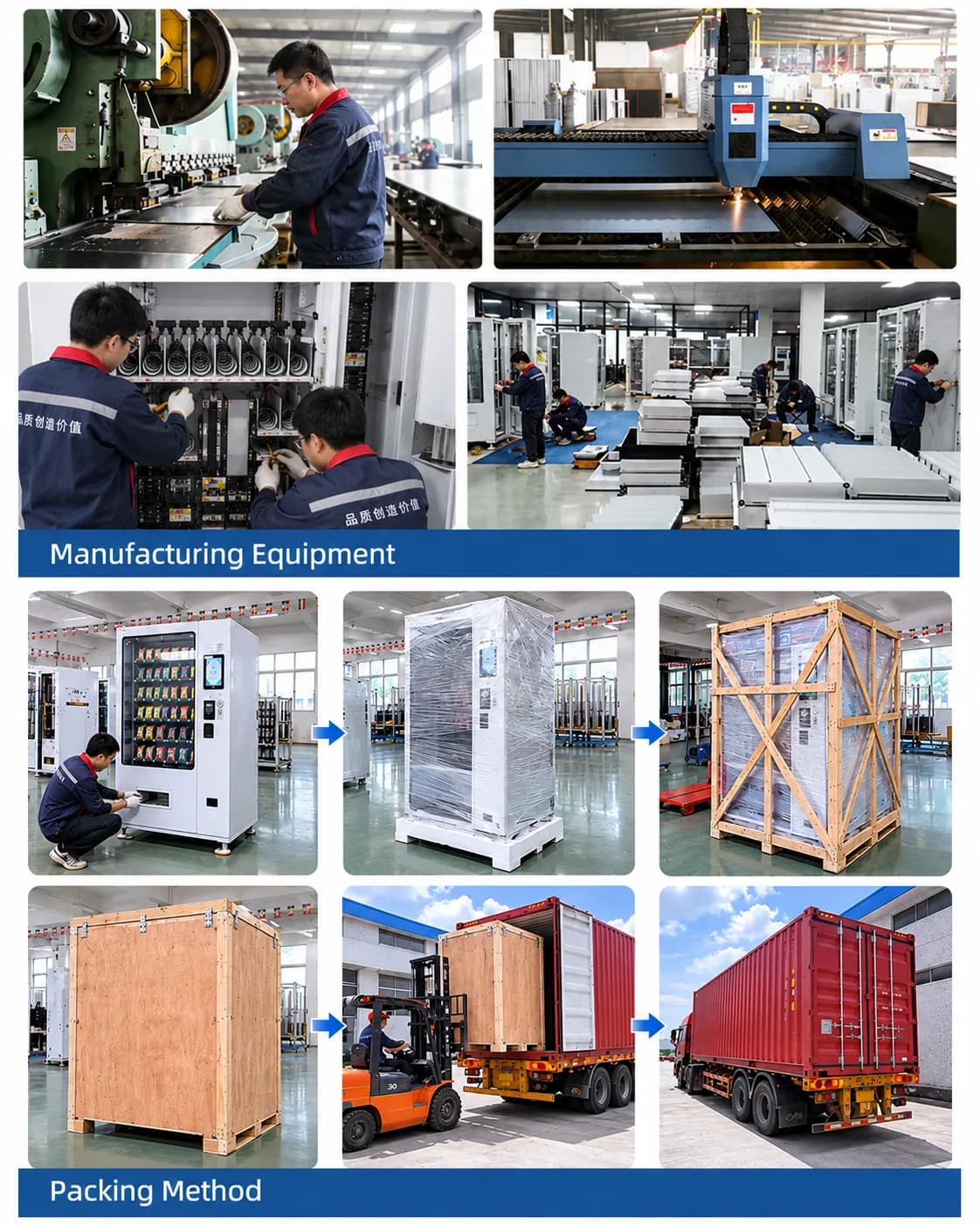
The vending machine export packaging checklist covers physical packing and cargo handover; the import file should reference, not replace, those records.
Reconcile invoice, packing and transport data
Create a pre-dispatch review that compares:
- legal names and addresses of transaction parties;
- purchase-order and invoice references;
- model, description, quantity and unit of measure;
- currency, value and agreed price basis;
- package count, marks and numbers;
- net and gross weight plus dimensions;
- machine or package serial references where agreed;
- transport route, ports and consignee instructions;
- Incoterms rule, named place and edition;
- accessory and spare-parts lines.
Correct discrepancies before the carrier document is finalised. A last-minute change to consignee, package count or route should trigger a review of every affected record rather than an isolated edit.
Align data for electronic border processes
The World Customs Organization describes the WCO Data Model as harmonised, reusable data definitions and electronic messages for customs and other border agencies. It supports interoperability and Single Window processes, but each administration implements its own legal and operational requirements.
Buyers should therefore collect data in structured fields rather than relying only on a scanned invoice. Use consistent names, codes, units and identifiers across supplier, broker and importer systems. Confirm destination-specific electronic filing, record-retention and language requirements with the responsible authority or broker.
Confirm conformity and regulated components
Customs release and product-market compliance are related but not identical. The machine may require electrical, radio, energy, accessibility, food-contact, age-restricted-sales or labeling review depending on its destination and configuration. Payment terminals and cellular modules can have separate provider or regulatory responsibilities.
Ask which documents apply to the finished configuration, who issues them, and whether the importer must register or retain a technical file. A component certificate does not automatically cover the complete vending machine. The vending machine electrical specification checklist helps buyers define the electrical and market inputs before documentation is requested.
Control the final shipment file
Store the approved invoice, packing list, transport draft, photographs, package marks, seal number, origin and treatment records, compliance documents and correspondence in one revision-controlled shipment file. Record who approved each document and when. Send the required copies to the broker and consignee early enough for pre-arrival filings.
After dispatch, keep a correction route open for genuine errors, but do not alter commercial facts to avoid lawful duties or requirements. At arrival, preserve packaging and damage evidence before unpacking and reconcile received machines and accessories against the approved packing list.
Request a documentation-ready BOHOL quotation
Use the BOHOL contact form to send the target country, importer details, machine type and options, quantity, preferred Incoterms rule and named place, route, broker checklist, classification information request and required conformity records. BOHOL can review the technical and shipment information it can provide for the proposed configuration. The importer and its qualified advisers remain responsible for confirming destination filings, classification, duties, permits and market access.